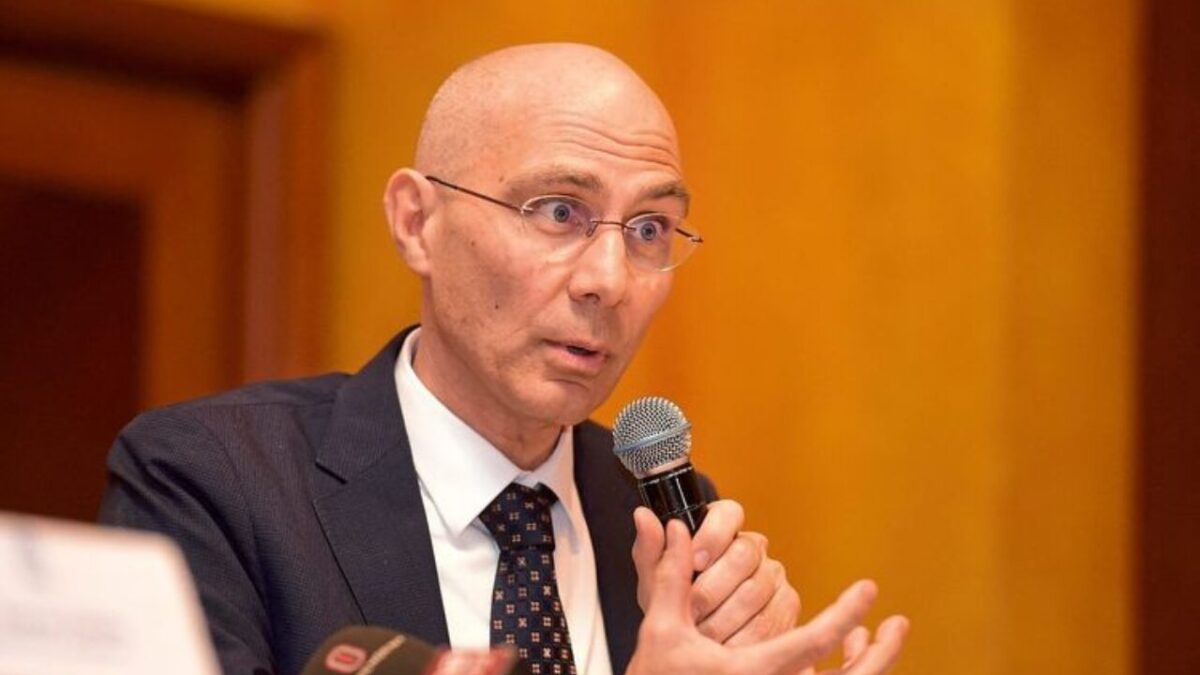
The United Nations human rights office warned on Monday that conditions in Afghanistan are continuing to deteriorate sharply, with women and girls facing increasingly severe restrictions and millions of people pushed deeper into poverty.
The assessment, presented to the Human Rights Council in Geneva, covers the period from August 2025 to January 2026 and describes a country grappling with overlapping humanitarian, economic and human rights crises.
About 21.9 million people — roughly 45 percent of Afghanistan’s population — are expected to need humanitarian assistance this year, the report said. It cited cuts to international aid, the return of nearly three million Afghans from neighboring countries in 2025 and ongoing drought as key factors worsening the situation.
“The cascade of edicts and laws announced by the de facto authorities since coming to power in 2021 is having a crushing impact on the Afghan people, particularly women and girls,” said Volker Turk, the United Nations high commissioner for human rights.
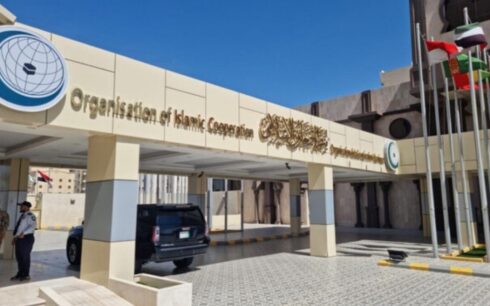
The report describes an expanding set of restrictions that have effectively removed women and girls from public life. Since September 2025, Afghan women — including UN staff — have been barred from entering United Nations offices, significantly limiting the organization’s ability to operate.
In January, women civil servants who had been told to stay home since the Taliban takeover were informed that their salaries — previously about 5,000 afghanis (around $70) per month — would be terminated altogether, effectively ending their employment.
Girls remain banned from education beyond sixth grade, and women have been excluded from universities since late 2022. In November 2025, medical graduation exams were held without female students for a second consecutive year.
Additional measures have restricted women’s movement, dress and participation in public life. Women who do not comply with prescribed dress codes have been denied access to transportation, markets and services, the report said. Books authored by women have been removed from some libraries, and the teaching of human rights and gender studies has been banned.
“The de facto authorities have, in effect, criminalized the presence of women and girls in public life,” the UN human rights chief said.
Beyond gender-based restrictions, the report details a range of other abuses, including public executions and corporal punishment. Since 2021, Taliban have carried out 12 public executions, including two during the reporting period, often in stadiums. Floggings are carried out regularly in public, the report said.
Freedom of expression has also come under increasing pressure. Journalists face arbitrary arrests, political talk shows have been banned, and cultural programming — including music and drama — has largely disappeared from broadcast media.
In late September 2025, Taliban imposed a nationwide shutdown of internet and telecommunications services for 48 hours, disrupting healthcare, banking and emergency services. The report said the blackout had “severe, and in some cases life-threatening, impacts.”
The report also highlighted the toll of regional instability. The United Nations documented 70 civilian deaths and 478 injuries attributed to Pakistani military actions during cross-border incidents in the final three months of 2025 — a sharp increase compared with previous years.
Turk described the broader situation in stark terms. “Afghanistan is a graveyard for human rights,” he said, pointing to widespread deprivation and the erosion of basic freedoms.
The United Nations called on the Taliban to reverse policies restricting women’s rights, halt executions, end arbitrary detentions and ensure access to education and employment. It also urged countries to stop forced returns of Afghans, warning that deportees may face persecution or harm.
The report further called for international support for a new investigative mechanism to document alleged crimes and preserve evidence for potential accountability.
“Women and girls are the present and the future,” Turk said. “The country cannot thrive without them.”