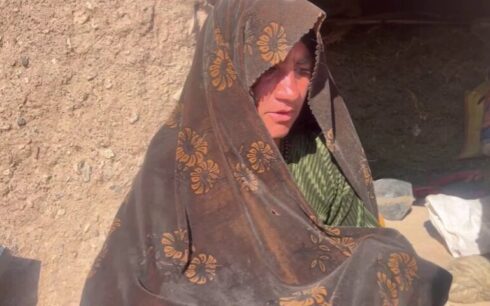
More than 160,000 Afghan migrants have returned from Pakistan so far this year, UN figures show, adding new pressure to a humanitarian system already strained by conflict and widespread poverty.
According to UNICEF, the reopening of the Torkham border crossing has raised expectations that returns could accelerate further. Pakistan is estimated to host about 1.92 million Afghans, suggesting that significantly larger movements may still lie ahead.
Aid agencies say the influx is unfolding alongside escalating cross-border hostilities with Pakistan, which have driven displacement, civilian casualties and damage to critical infrastructure since late February. The overlapping crises have created what UNICEF described as a “fast-evolving, multi-layered” emergency, the agency said.
According to an update by UN, between late February and mid-March, at least 289 civilians in Afghanistan were killed or injured, including 76 deaths. Women and children accounted for more than half of those affected, underscoring the vulnerability of civilians caught in the fighting.
The organization said that initial estimates indicate that about 115,000 people have been newly displaced by the violence, though verification is ongoing. Many of those uprooted are now living in precarious conditions, often with limited access to health care, clean water and shelter.
The crisis is compounding an already severe humanitarian situation. In 2026, roughly 21.9 million people in Afghanistan — including 11.6 million children — require assistance, making it one of the largest aid emergencies in the world.
The impact of the conflict extends beyond displacement. Damage to homes, health facilities and basic infrastructure has disrupted essential services, particularly in hard-to-reach border areas. In recent weeks, dozens of nutrition sites have been forced to suspend operations, while insecurity has closed hundreds of community-based classes and temporary learning spaces.
The situation has been especially acute for families already displaced by earlier disasters. In eastern Afghanistan, communities uprooted by a 2025 earthquake have been forced to flee again, often relocating to areas where services are scarce and conditions increasingly precarious.
At the same time, humanitarian agencies are preparing for a potential new wave of arrivals from Iran that could reach up to two million people, a scenario that aid officials warn would further overwhelm limited resources.
Aid officials warn that needs are outpacing resources. UNICEF has appealed for $949 million in 2026 to support 12 million people, including 6.5 million children, and has called for additional assistance to sustain life-saving programs.