Women who have returned from Pakistan over the past two years say they are struggling to meet even their most basic needs, citing a lack of shelter, healthcare and other essential services as they try to rebuild their lives.
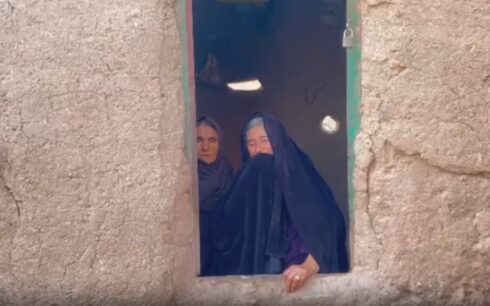
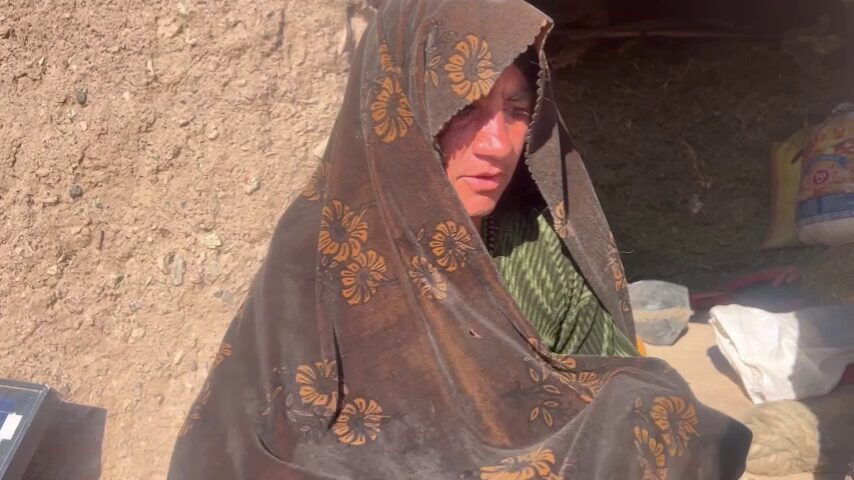
Three women in the southern provinces of Helmand and Kandahar, who spoke to Amu TV, said access to doctors, medicine and basic healthcare remains among their greatest challenges.
One of them, Munawara, who was deported from Pakistan with her family and now lives in Helmand, said her husband has been partially paralyzed for more than a year but has been unable to receive treatment because there is no nearby health facility.
“My husband is paralyzed, and I cannot get him treatment,” she said. “We try to survive through daily labor, but we cannot manage. We are living through very difficult times. We are hungry and have nothing.”
Another returnee, Laila, a mother of five living in Helmand, said medical services available to her family are inadequate.
“Sometimes the clinic gives us medicine, but it is only a packet of tablets, and they do not help,” she said. “All of my children are sick.”
In neighboring Kandahar, Dastagol, another woman deported from Pakistan, said returnees also face shortages of safe drinking water and food assistance.
“All of us returnees are struggling,” she said. “Besides illness, we face many other hardships. Poverty and deprivation are everywhere.”
Pakistan has deported hundreds of thousands of Afghans over the past two years as part of its campaign against undocumented foreigners. Many of those who returned have settled in southern provinces, including Helmand and Kandahar, where returnees have repeatedly complained of limited access to healthcare, housing and other basic services.
Humanitarian agencies have warned that Afghanistan’s already fragile public services are under increasing strain as large numbers of returnees arrive, leaving many families dependent on aid for their basic needs.