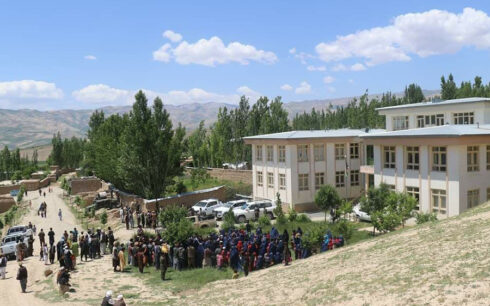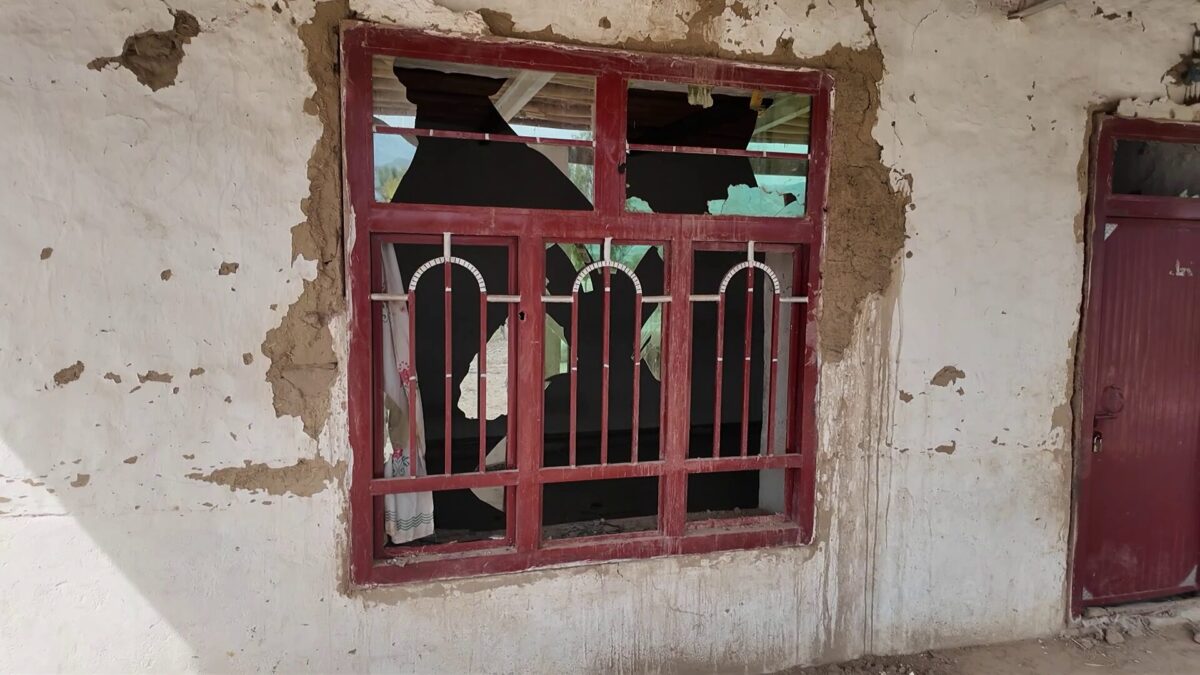
Escalating border clashes between Taliban and Pakistan have displaced about 115,000 people and damaged or destroyed 826 homes in eastern Afghanistan, the Norwegian Refugee Council said.
The aid organization said the fighting since Feb. 26 has had a severe impact on civilians, particularly in provinces along the eastern border.
According to the group, at least 75 civilians were killed and 193 others injured during the first eight days of the conflict, citing UN figures.
“Afghanistan is facing crisis on top of crisis, and it is civilians who are paying the highest price,” said Jacopo Caridi, NRC’s country director for Afghanistan. He urged all parties to the conflict to protect civilians and civilian infrastructure under international humanitarian law.
NRC said thousands of displaced families have sought refuge in makeshift camps or with relatives, while others have been forced to rent substandard housing they can barely afford. Many have lost access to clean water, health services and education.
The organization said its teams in Kunar and Nangarhar provinces reported particular concern for households headed by women or children and for elderly people who said they had received little or no assistance.
Health services at more than 20 facilities have been suspended because of insecurity, including five that were damaged in airstrikes or shelling, according to humanitarian partners. Food distributions by the World Food Programme have also been temporarily halted in some affected areas.
The conflict has also disrupted education. NRC said it had suspended 21 classes in border districts of Khost province, leaving 626 children without access to schooling.
The organization said it has provided cash assistance to more than 4,300 displaced people and plans to extend support to another 4,000 in the coming days.
The clashes come as Afghanistan already faces a deep humanitarian crisis. The United Nations says more than 21 million people in the country need humanitarian assistance this year, while funding for the response remains severely underfunded.
Aid groups say the violence, combined with rising food prices and border disruptions, is further straining families already struggling to survive.