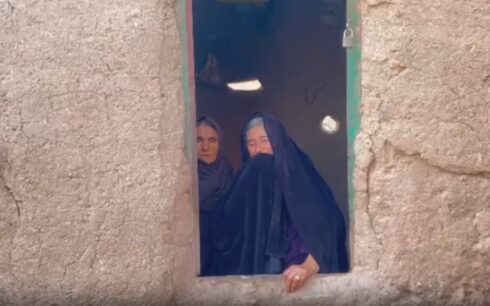
UNICEF warned that increasing numbers of Afghan families returning from Iran are placing children at heightened risk, with many arriving exhausted and in urgent need of medical care and protection after difficult journeys across the border.
The agency said families have been arriving at the Islam Qala border crossing in western Afghanistan and other entry points from Iran, many distressed and uncertain about what lies ahead as they return to their homeland.
“We are already seeing too many mothers arriving at reception centres with their children, looking exhausted, overwhelmed and in need of immediate support,” UNICEF said in a statement. It warned that if arrivals increase as expected, the risks facing children could grow significantly.
The agency said the situation is being compounded by escalating conflict in the Middle East, which has contributed to increased cross-border movements and uncertainty for Afghan families living abroad.
Growing number of returnees
The latest arrivals add to a broader trend of large-scale returns to Afghanistan.
UNICEF said nearly 3 million Afghans returned from neighboring countries in 2025 alone, mainly from Iran and Pakistan, with about 60% of them families with children.
Many people arriving at border crossings have described difficult journeys and said they urgently need medical assistance and information about where to go after returning.
Risks for vulnerable children
UNICEF said children — particularly those separated from their families — face heightened protection risks if they do not receive immediate support.
“Children require particular attention, especially those who are unaccompanied,” the agency said, warning they could face risks including abduction or violence.
At the peak of last year’s returns, UNICEF supported more than 8,000 unaccompanied or separated children returning from Iran and Pakistan.
The agency said it is working with UNHCR and other humanitarian partners to maintain essential services at border crossings and reception centers.
These services include nutrition screening, vaccinations, safe drinking water, primary health care and child protection support.
Aid agencies warn that the challenge will not end at the border.
Families returning through Islam Qala are expected to move to communities where public services are already under severe strain.
Afghanistan is already facing multiple humanitarian crises, with about 11 million children in need of assistance, UNICEF said.
Families returning with limited resources face increased risks of malnutrition and illness, particularly among young children and pregnant or breastfeeding women.
The humanitarian situation is also being worsened by tensions along the Afghanistan-Pakistan border, which have displaced large numbers of people in recent months.
According to UNICEF, about 164,000 people have been internally displaced in affected provinces, including around 30,000 survivors of last year’s earthquakes who have been forced to move again.
At the same time, geopolitical tensions are disrupting aid supply chains, delaying deliveries of essential supplies such as therapeutic food used to treat severely malnourished children.
Humanitarian agencies are preparing to scale up assistance if returns increase, but UNICEF warned that funding shortages could hamper the response.
The humanitarian response plan for Afghanistan is currently only about 10% funded, the agency said, urging donors and partners to help deliver urgently needed nutrition, health, water and sanitation supplies.
“Children must be protected and supported at every stage when they need us the most,” UNICEF said.