At least 56 civilians have been killed and 156 others wounded in recent border clashes between the Taliban and Pakistan, according to a report released Thursday by the UN Office for the Coordination of Humanitarian Affairs.
The fighting has affected 10 provinces across Afghanistan, including Kabul, Kandahar, Khost, Kunar, Laghman, Nangarhar, Nuristan, Parwan, Paktia and Paktika, the agency said.
From Feb. 26 to March 4, cross-border fighting and airstrikes displaced roughly 115,000 people, according to the report.
An estimated 16,370 families have recently fled their homes in Khost, Kunar, Nangarhar, Paktika, Paktia and Nuristan Provinces. In addition, about 7,000 families displaced by the Aug. 31, 2025 earthquake in eastern Afghanistan remain in camps.
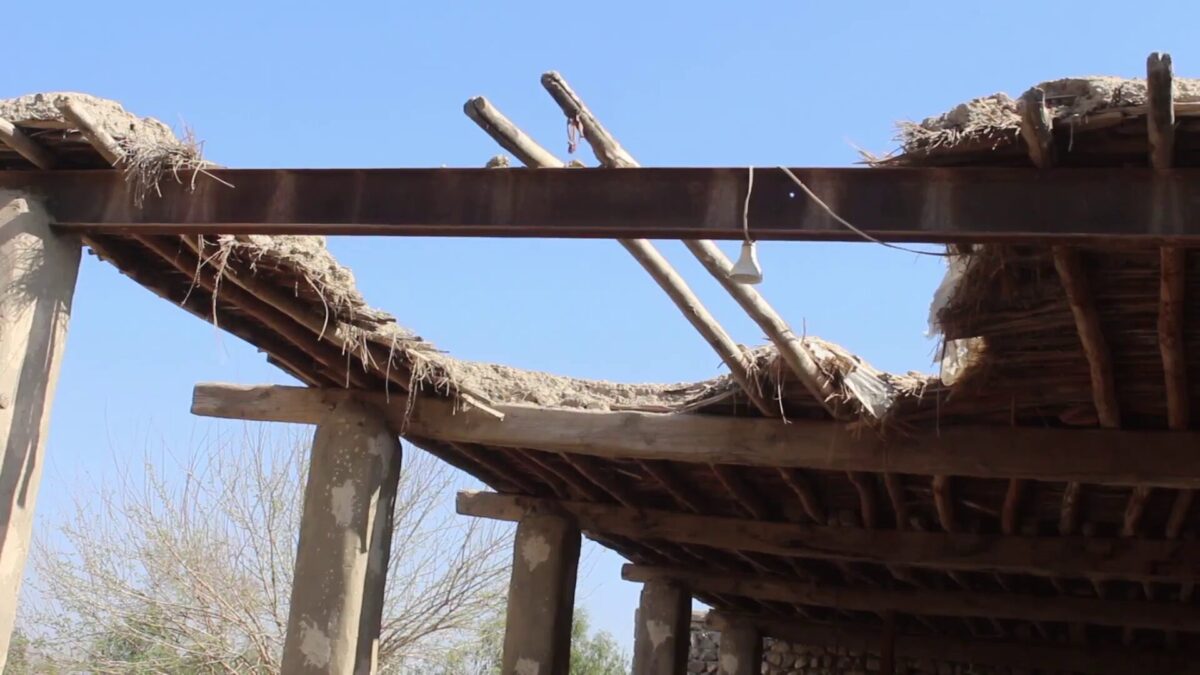
The United Nations said airstrikes have damaged civilian infrastructure, including a 20-bed emergency hospital, a transit center run by the International Organization for Migration, and the Omari reception center for returnees near the Torkham border crossing.
The conflict has also disrupted basic services. Eight nutrition centers in Khost, Kunar and Nangarhar Provinces have been forced to close, according to the report.
Because of security concerns, some humanitarian workers have been relocated to Jalalabad and Kandahar, while emergency assessments and food aid distributions are underway. Access to some areas, including parts of Paktika province, remains limited.
The escalation has also affected transportation and humanitarian logistics. Kabul International Airport remains open, but security disruptions and regional restrictions have affected flight operations, OCHA said.
The United Nations Humanitarian Air Service has suspended regular flights to Jalalabad and Kandahar, maintaining only a weekly service to Dushanbe, though flights to Kandahar are expected to resume on March 8, the agency said.
The United Nations warned that the continuing clashes threaten civilian lives, damage critical infrastructure and deepen humanitarian needs in a country already facing severe economic and social challenges.
International calls for de-escalation have also grown. Turkey’s president, Recep Tayyip Erdogan, has offered to mediate between the Taliban and Pakistan to help restore a cease-fire and reduce tensions, while Russia and China have also expressed support for diplomatic efforts to ease the conflict.
This comes as Taliban-Pakistan clashes entered ninth day on Friday.