Afghanistan’s already fragile economy is facing renewed strain as trade routes with both Pakistan and Iran have been disrupted, business leaders and residents say, raising concerns about rising prices and shortages.
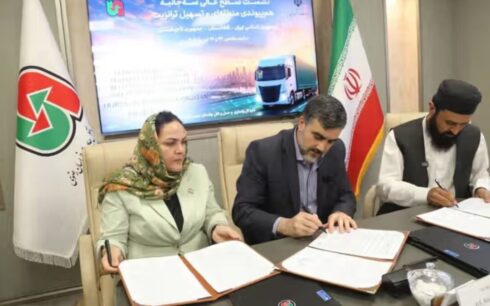
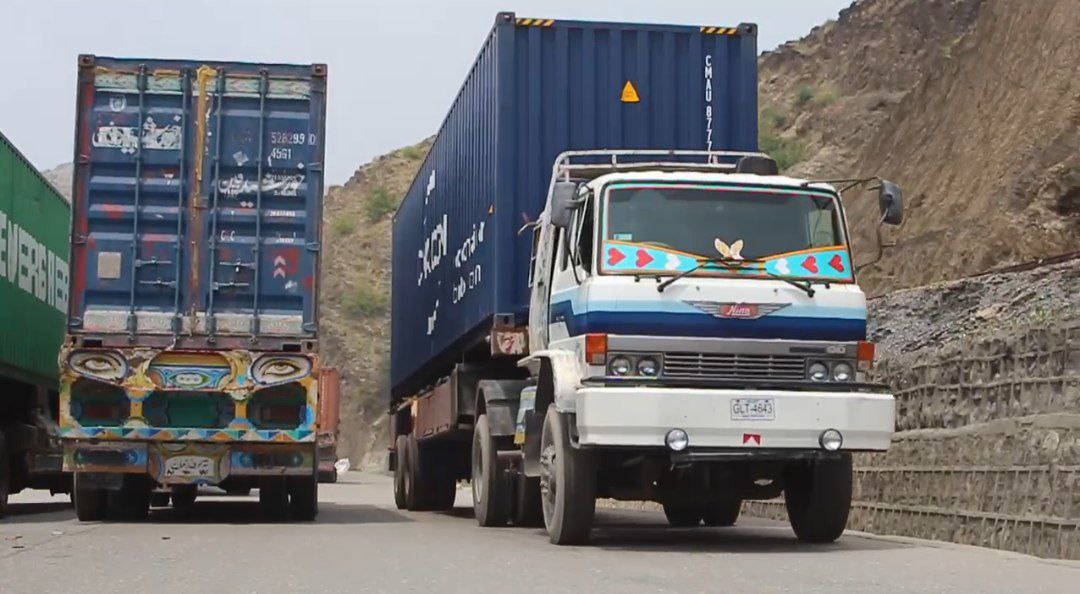
For more than four months, key commercial crossings between Afghanistan and Pakistan have remained closed amid tensions between the Taliban and Islamabad. Now, with fighting intensifying in Iran, the Afghanistan Chamber of Commerce and Investment says trade and transit through Iran, particularly via the port of Chabahar, have also been severely affected.
Chabahar had served as a critical alternative route after transit through the Pakistani ports of Karachi and Gwadar was restricted, chamber officials said. Afghanistan’s goods and shipments are now stranded at the Iranian port, they added.
“Our ships are at Chabahar,” Khan Jan Alokozay, a member of the chamber’s leadership board, told Amu TV. “There is heavy congestion. Loading has stopped. Everything is on hold. We hope the problems are resolved soon.”
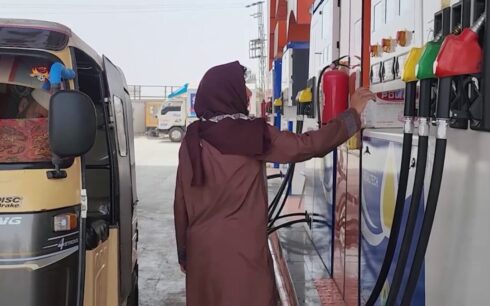
According to the chamber, annual trade through these routes had reached more than $3 billion, much of it consisting of construction materials and fuel imports, including gas.
Kabul residents said food prices had risen in recent days. In local markets, the price of a 50-kilogram sack of flour was about 1,550 afghanis (about $24.80), while cooking oil was selling for between 1,850 and 1,900 afghanis per container (roughly $29.60 to $30.40). Traders said the cost of rice had also increased.
“I sold my land and bought this vehicle to earn a living, but there is no business,” one Kabul resident said. “We have not earned even one afghani.”
Another said he earns between 200 and 300 afghanis a day, much of which goes toward food. “We buy whatever is cheapest,” he said.
Some analysts and local sources blamed what they described as the Taliban’s economic policies for worsening the situation, arguing that reliance on limited trade corridors has left the country vulnerable to political shocks.
“Karachi is gone. Gwadar is effectively lost because of tensions with Pakistan. We relied on Chabahar,” said Sayed Massoud, an economics professor. “If Chabahar is also blocked, our access to open waters is cut off. That harms us significantly.”
Beyond food, residents and local sources said medicine prices have also increased after the Taliban suspended certain pharmaceutical imports from Pakistan. In Herat, local sources told Amu TV that dozens of kidney patients in need of dialysis were facing shortages of essential supplies and were waiting in what they described as worrying conditions.
Taliban have not publicly detailed contingency plans to offset the disruptions.
With multiple trade corridors restricted at once, economists warn that prolonged closures could further weaken Afghanistan’s economy, deepen inflationary pressures and exacerbate humanitarian needs.