Deadly Pakistani airstrikes in eastern Afghanistan have triggered a wave of political reactions across the country, with prominent political figures condemning the attacks as violations of sovereignty and warning of escalating tensions.
Pakistani fighter jets struck parts of Paktika and Nangarhar Provinces late Saturday night during the Muslim holy month of Ramadan. Taliban have said the strikes killed dozens of civilians, though independent verification of the casualty figures has not been possible.
The Taliban accused Pakistan of targeting civilian areas and attempting to deflect attention from its own internal security failures. Zabihullah Mujahid, the Taliban’s chief spokesman, said in a statement that “Pakistani generals are compensating for their internal security weaknesses with such crimes.”
Former President Hamid Karzai described the strikes as a clear violation of Afghanistan’s sovereignty and urged Islamabad to reconsider its policies toward its neighbor.
“Hamid Karzai once again calls on Pakistan to review its policies toward Afghanistan and to pursue a path of good neighborliness and civilized engagement,” his office said in a statement.
Abdullah Abdullah, the former head of Afghanistan’s High Council for National Reconciliation, said the bombings risked deepening instability and urged dialogue instead of military action.
“Bombardment, targeting civilians and resorting to violence is not the solution,” he said. “The best way to resolve problems between the two countries is dialogue and negotiation.”
Afghanistan’s permanent mission to the United Nations also called for an immediate halt to the strikes and urged Pakistan to act in accordance with the UN Charter and international law.
Some political figures, both aligned with and opposed to the Taliban, went further, calling for retaliation. Fazal Hadi Muslimyar, a former Senate speaker, said such attacks would not go unanswered and described them as direct assaults on national sovereignty.
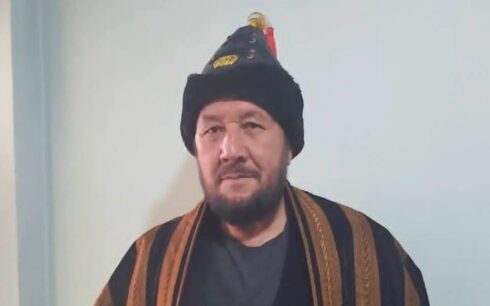
Others adopted a more critical tone toward both sides. Noor Rahman Akhlaqi, a former minister of refugees, condemned the killing of civilians but warned against Afghan citizens being used as “human shields” by militant groups or as instruments of ideological projects.
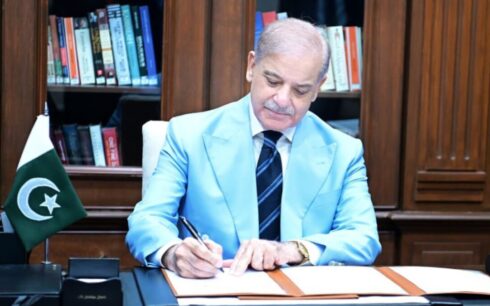
Inside Pakistan, officials defended the operation in stark terms. Tariq Fazal Chaudhry, Pakistan’s minister for parliamentary affairs, warned that anyone who viewed Pakistan as weak would face consequences.
“We seek peace,” he said in a statement, “but we will never compromise on our land, our people or our dignity. Whoever looks at Pakistan with ill intent will be eliminated. No one will escape.”
Islamabad has said the strikes targeted camps and hideouts belonging to Tehrik-i-Taliban Pakistan (TTP) and the Islamic State’s Khorasan branch, also known as ISIS-K. Pakistani officials said the operation was retaliatory, responding to a series of recent militant attacks inside Pakistan, including a deadly suicide bombing in Bannu and other incidents during Ramadan.
Pakistan has long accused the Taliban of allowing TTP fighters to operate from Afghanistan’s territory, a charge Taliban deny. The Taliban have insisted that the victims of Saturday’s strikes were civilians and have vowed a “calculated response.”
So far, international governments and major organizations have not publicly responded to the latest escalation.