In a message on International Mother Language Day, the United Nations has warned that more than 40 percent of the world’s population does not have full access to education in a language they speak or understand.
UNESCO, the UN’s cultural agency, said linguistic diversity is increasingly under threat as more languages disappear globally. Protecting mother tongues, the agency said, is essential to preserving cultural identity, social cohesion and sustainable development.
“Linguistic diversity is increasingly under threat, as more languages disappear,” UNESCO said in a statement. “Globally, 40 percent of the population does not have access to education in a language they speak.”
The day was proclaimed by UNESCO in 1999 following a proposal by Bangladesh and has been observed worldwide since 2000.
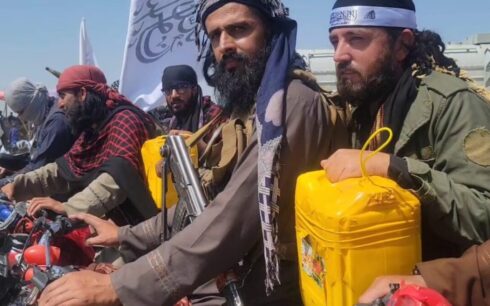
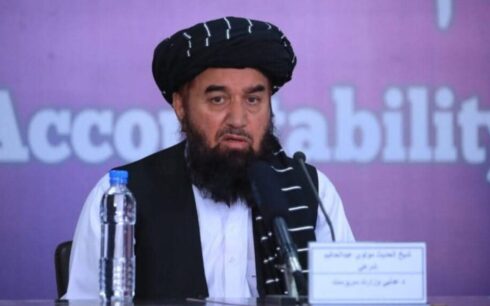
In Afghanistan, some citizens and human rights advocates say linguistic diversity has come under additional strain since the Taliban returned to power in 2021.
Afghanistan is home to a wide range of languages, including Farsi, Pashto, Uzbeki, Turkmeni and Baluchi, reflecting the country’s ethnic and cultural diversity. Historically, multiple languages have been used in education, administration and public life.
Critics say that in recent years the Taliban have increasingly emphasized one language in official documents, public signage and administrative communication, while reducing the visibility of others. Some residents say certain languages have been removed from university signs and government offices and that official decrees are often issued primarily in one language.
Human rights activists argue that such policies, alongside broader restrictions imposed on women and ethnic and religious minorities, risk undermining Afghanistan’s long tradition of cultural and linguistic coexistence.
Taliban have denied discrimination and maintain that they govern in the interest of national unity. But analysts warn that limiting linguistic representation, combined with restrictions on education — particularly for girls — could deepen social divisions in a country long shaped by diversity.