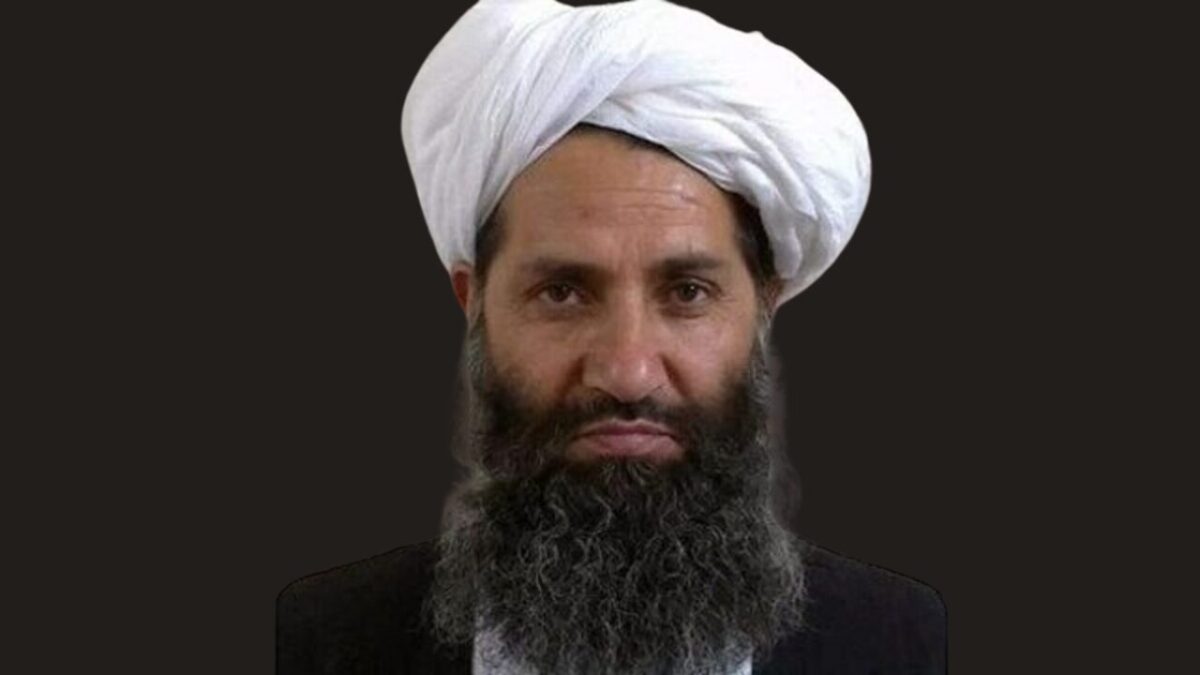
The Taliban penal code has granted their leader sweeping powers to declare otherwise permitted acts mandatory or forbidden, a move that has drawn sharp criticism from religious scholars and women’s rights groups.
According to provisions in the penal code, the Taliban leader, Hibatullah Akhundzada, may order that actions considered permissible under Islamic law become obligatory, or prohibit them, with penalties including discretionary punishment and up to one month in prison for those who disobey.
Under Islamic jurisprudence, “permissible” acts are those that individuals are free to perform or refrain from without religious obligation. Several religious scholars said issuing rulings on what is mandatory or forbidden is a divine prerogative and cannot be claimed by any individual.
“Judgement belongs to God alone,” said Waliullah Labib, an Islamic scholar and university lecturer. “No person has the authority to declare something lawful or unlawful without clear justification from the Quran, the Prophet’s teachings or established principles of Islamic law.”
The code has prompted growing criticism from rights groups and women’s movements. The Malala Fund said the Taliban’s criminal code amounted to gender apartheid, arguing it entrenches systematic repression of women and girls and seeks to exclude them from public life.
Some women-led protest movements said the document promotes servitude and lacks both religious and legal legitimacy, calling it an attack on human dignity, particularly that of Afghan women.
The Taliban have previously warned that critics of the criminal code could face prosecution, but rights groups say the provisions risk further suppressing dissent and weakening access to justice.
The backlash comes as international concern grows over the Taliban’s tightening grip on Afghanistan’s society since returning to power in 2021, including restrictions on women’s education, employment and freedom of movement. Critics say the new code reinforces social stratification and concentrates unchecked authority in the hands of the Taliban leadership.
Taliban have not publicly responded to the criticism of the code.