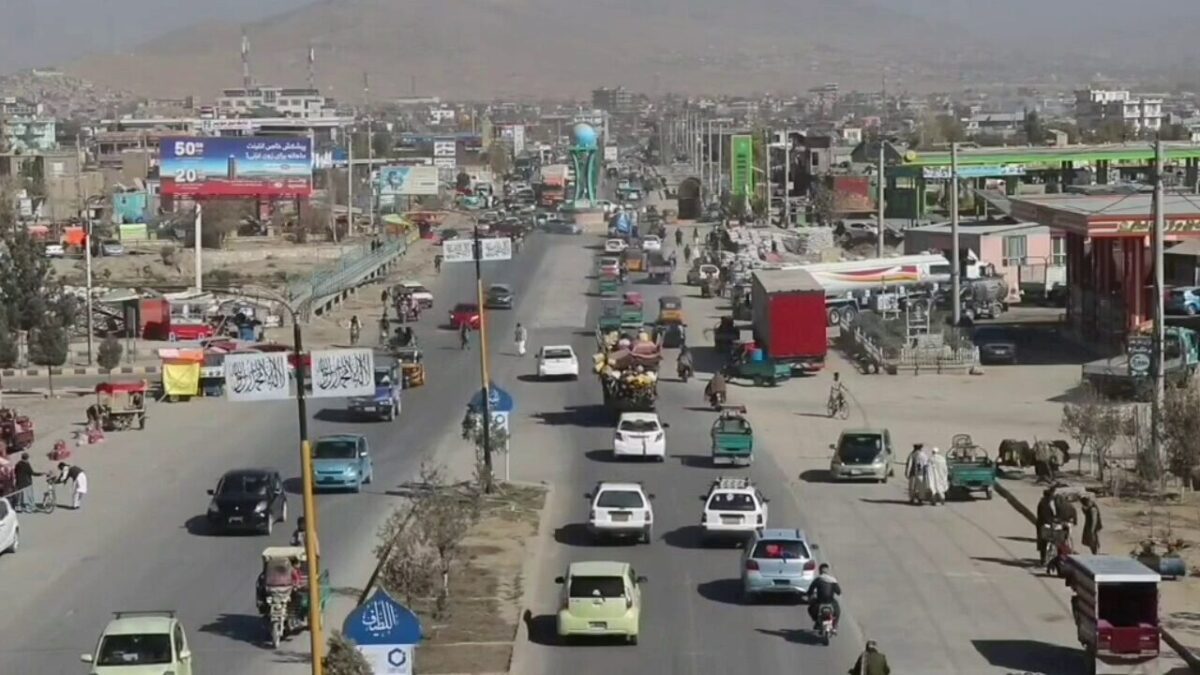
Residents of Ghazni province in central Afghanistan say groundwater levels have dropped sharply over the past year, leaving many communities struggling to secure enough water for daily use and raising fears of a deepening water crisis.
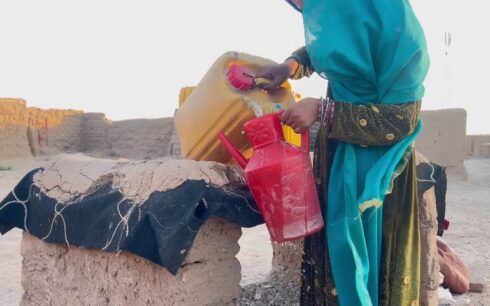
Locals say water levels in wells across several districts have fallen by between 10 and 30 metres compared with last year, forcing families to dig deeper wells at high cost or rely on limited and unsafe water sources.
“Last year I dug a well and reached water at 35 metres, but now the water level has dropped to 72 metres,” said Abdulaziz, a resident of Ghazni. “Each time we dig deeper, the water goes down even more.”
Another resident, Syedullah, said the decline has accelerated. “Here, the water level has fallen by around 14 metres compared with last year. Every time new wells are drilled, the groundwater drops further,” he said.
Ghazni, a largely agricultural province, relies heavily on groundwater for drinking, farming and livestock. Residents say prolonged drought, declining rainfall, unregulated well drilling and a lack of water-management infrastructure have combined to worsen shortages year after year.
Many households say the lack of water has disrupted daily life and increased expenses, with poorer families unable to afford deeper wells or water deliveries.
“We are asking people to conserve water, and we want the authorities to build dams and reservoirs so rainwater can be stored,” said Abdullah, another resident of Ghazni. “Without long-term solutions, the situation will only get worse.”
The water crisis in Ghazni reflects a broader national problem. Large parts of Afghanistan are experiencing falling groundwater levels as climate change, population growth and years of conflict strain already fragile water systems.
Environmental experts have warned that without effective water management, investment in storage infrastructure and limits on uncontrolled drilling, shortages could intensify across the country, further threatening livelihoods and public health.