The European Union will hold a special meeting on Jan. 21 to examine Afghanistan’s worsening water crisis and discuss urgent and practical solutions for managing the country’s water resources, the EU said.
The meeting will be held online in cooperation with the ACCEPT research programme, the EU’s delegation to Afghanistan said in a statement.
Researchers, local officials and representatives of international organisations are expected to take part, with discussions focusing on data collection, sharing expertise and developing sustainable strategies to address water shortages and reduce their impact on livelihoods.
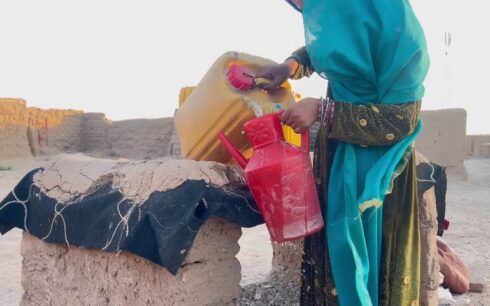
The EU said sharply declining groundwater levels – particularly in Kabul – have become a serious threat and could have wide-ranging consequences for food security and social stability.
Participants will focus on immediate measures to support vulnerable communities, the statement said.
The ACCEPT programme said the water crisis extends beyond the capital and is severely affecting rural areas, which play a critical role in Afghanistan’s food production.
It said the collapse of water management systems and excessive groundwater extraction are threatening the livelihoods of millions of people.
According to the programme, the meeting will also review findings from a comprehensive assessment of the impacts of climate change and groundwater use in the Helmand River basin, a region vital to Afghanistan’s agricultural economy and at the centre of disputes over cross-border water rights between the Taliban authorities and Iran.
Discussions are also expected to cover the effects of water diversion infrastructure projects on both sides of the border and the impact of over-extraction on local communities. Estimates suggest rapidly falling groundwater levels are threatening the livelihoods of more than 3.5 million people, posing significant challenges for the Taliban authorities and international aid agencies.
The meeting comes after Afghanistan experienced one of its most severe droughts in recent years, with international organisations warning of continued low rainfall and declining water reserves.