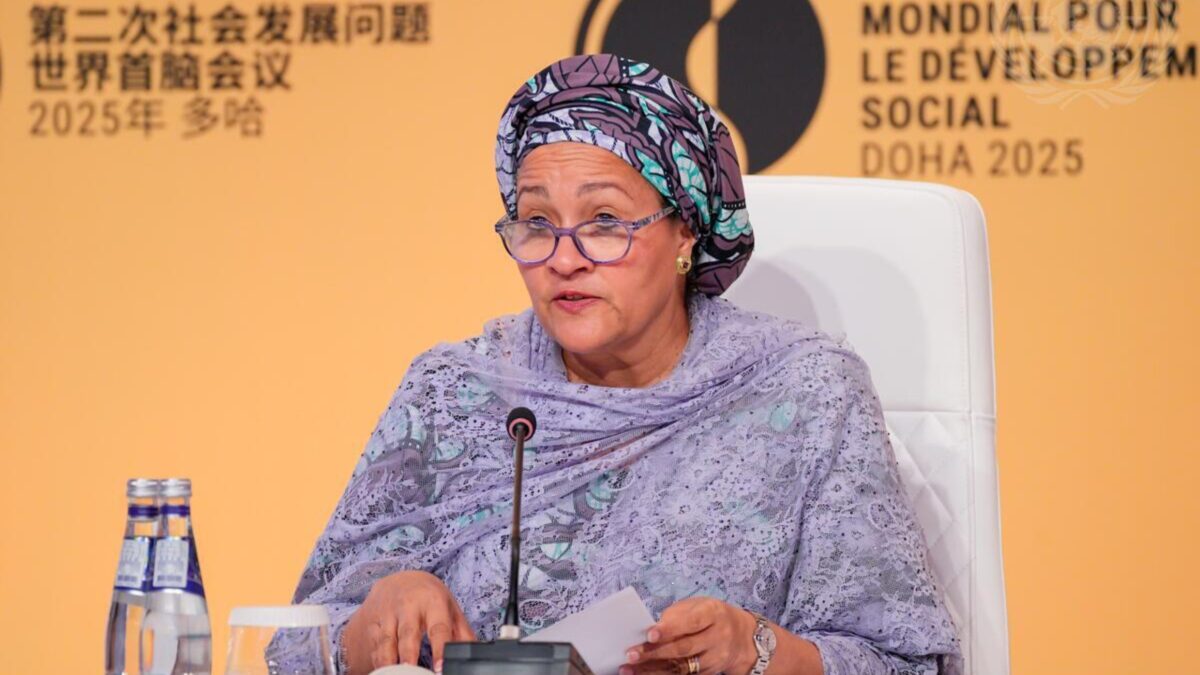
Amina Mohammed, the United Nations’ deputy secretary-general, has urged the international community not to turn a blind eye to human rights violations in Afghanistan, saying millions of women and girls face severe restrictions under Taliban rule.
In a post on X on Sunday, Mohammed said women and girls in Afghanistan were being denied fundamental rights, including access to education, work, security and freedom of movement.
“Millions of women and girls in Afghanistan face severe restrictions on their fundamental rights,” she wrote. “The world must not close its eyes to these violations. Women’s rights are human rights — everywhere.”
Mohammed, who is widely regarded as the second-most senior official at the United Nations, has previously travelled to Afghanistan. In January 2023, she visited Kabul and later Kandahar, the southern city seen as the centre of power for the Taliban. That visit drew criticism from some human rights activists, who questioned engagement with Taliban leaders amid growing restrictions on women.
Some Afghan citizens say the human rights situation has continued to deteriorate.
“For nearly four years, there has been no attention to the rights of Afghan women and girls,” said a resident of Baghlan province. “Schools have not reopened, universities remain closed, and there are no job opportunities. The situation is getting worse every day, with no real action taken.”
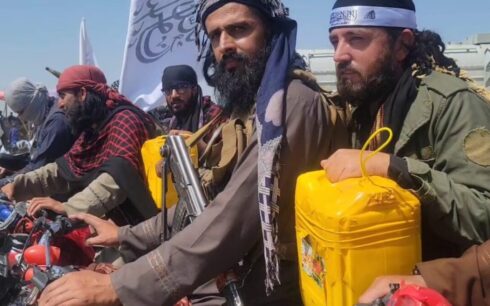
Since returning to power in 2021, the Taliban have barred girls from attending secondary school, closed universities to women, restricted women’s employment and imposed strict limits on their movement in public.
The measures have drawn widespread international condemnation and have deepened Afghanistan’s diplomatic isolation. Rights groups say the restrictions have worsened the country’s humanitarian and economic crises.
The International Criminal Court has issued arrest warrants related to alleged crimes in Afghanistan, while other international and civil society mechanisms are reviewing cases involving alleged human rights violations.
Despite those efforts, human rights activists and Afghan citizens continue to call for more concrete international action to address what they describe as systematic abuses, particularly against women and girls.