The Taliban’s public health minister, Noor Jalal Jalali, who is on a trip to India, said medical services in the country are being delivered in line with local needs, culture and Islamic principles, even as women and girls remain barred from medical education and licensing.
Speaking to India’s WION television network during a visit to New Delhi, Jalali claimed that large numbers of female health workers and doctors had been recruited across Afghanistan.
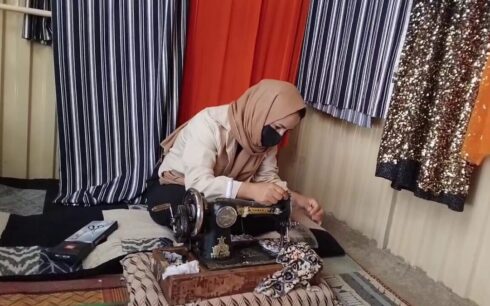
“In Afghanistan’s health sector, many female health workers – from midwives to specialist doctors – have been employed,” Jalali said, adding that efforts were under way to expand healthcare access for women and children in remote areas.
Jalali also said relations between Afghanistan and India had exceeded expectations and expressed hope for expanded cooperation, including in the supply of medicines, capacity-building and hospital infrastructure.
India is hosting Jalali as the third Taliban cabinet minister to visit the country since the Taliban returned to power in 2021. Jalali had been on a United Nations sanctions list for 11 years before his name was removed.
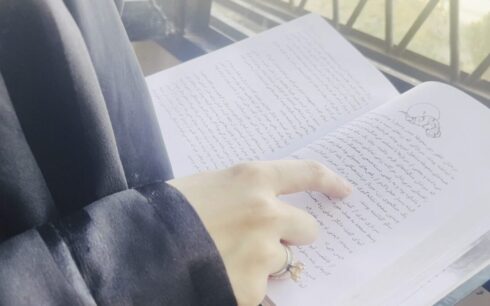
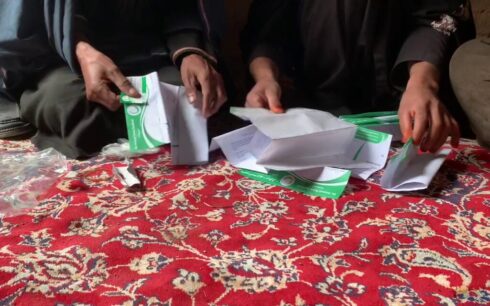
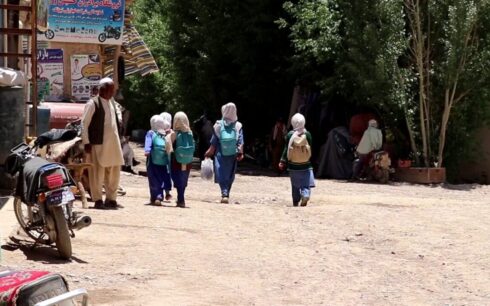
However, his comments come as women doctors and medical graduates in Afghanistan remain barred from sitting the national medical licensing exam, known as the exit exam, for more than 670 days. Universities, including medical faculties, have been closed to women for more than three years.
Residents in remote provinces say the restrictions have worsened shortages of female doctors, particularly affecting maternal healthcare.
“In Badakhshan, there are very few female doctors,” said Asma Ghafouri, a resident of the province. “Women face serious problems. When we take patients for childbirth, many die because there are not enough female doctors and they cannot be treated in time.”
According to a United Nations report, Afghanistan has the highest maternal mortality rate in the world, with 620 deaths per 100,000 live births. The under-five mortality rate stands at 24 deaths per 1,000 live births, the report said.