Afghanistan’s Chamber of Commerce and Investment said Wednesday that imports worth an estimated $6 billion to $6.5 billion remain stuck at Pakistani ports and border crossings, as trade routes between the two countries remain closed.
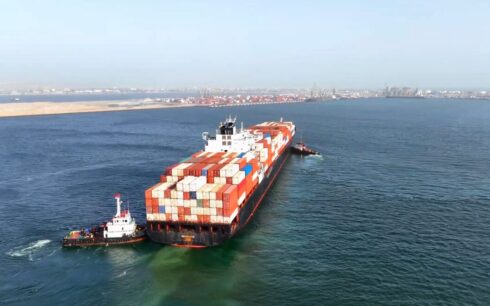
Khan Jan Alokozay, a board member of the chamber, told Amu TV that more than 11,500 shipping containers carrying Afghan commercial goods — previously transiting through Pakistan — have been stalled in Karachi and at major border crossings such as Torkham and Spin Boldak for the past 47 days.
“These goods are spoiling, their shelf-lives expiring. Traders in Afghanistan and Pakistan are losing nearly $2 million a day,” Alokozay said.
According to the chamber’s data, traders on both sides have already incurred about $100 million in penalties and losses due to the blockade and prolonged delays.
Economic analysts warn that the standstill, combined with rising food prices and shrinking imports, could deepen Afghanistan’s humanitarian crisis and burden already vulnerable populations.
The trade freeze comes amid escalating tensions between Taliban and Islamabad. Pakistani carried out airstrikes in eastern provinces on Tuesday. While Pakistan has not confirmed the airstrikes, Taliban spokesman said at least 10 people were killed in the attacks that hit homes in Khost, Kunar and Paktika.
According to a July 2025 report, bilateral trade between Afghanistan and Pakistan jumped 25% in the fiscal year 2024–2025, reaching about US$1.998 billion, up from $1.603 billion the previous year.
In that same period, Pakistani exports to Afghanistan reportedly rose to about $1.391 billion, while Afghanistan’s exports to Pakistan reached roughly $607 million.
Data from 2024 shows exports from Afghanistan to Pakistan grew gradually over five years — rising from approximately $531 million in 2018 to about $691 million by 2023–24.
More recent figures show signs of strain: in the first quarter of fiscal year 2025–26, bilateral trade reportedly fell by 6%, totaling US$475 million — down from $502 million in the same period the previous year.
Afghan exports to Pakistan (food‑stuffs, agricultural products, raw materials) and Pakistani exports to Afghanistan (manufactured goods, consumer goods) have formed a significant portion of Afghanistan’s import‑export economies
However, the dip in 2025 trade — combined with cross‑border closures and security tensions — signals increasing disruption to what once was a vital trade corridor.