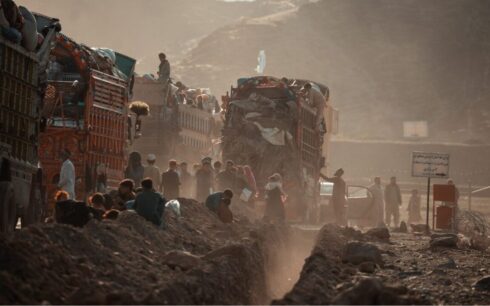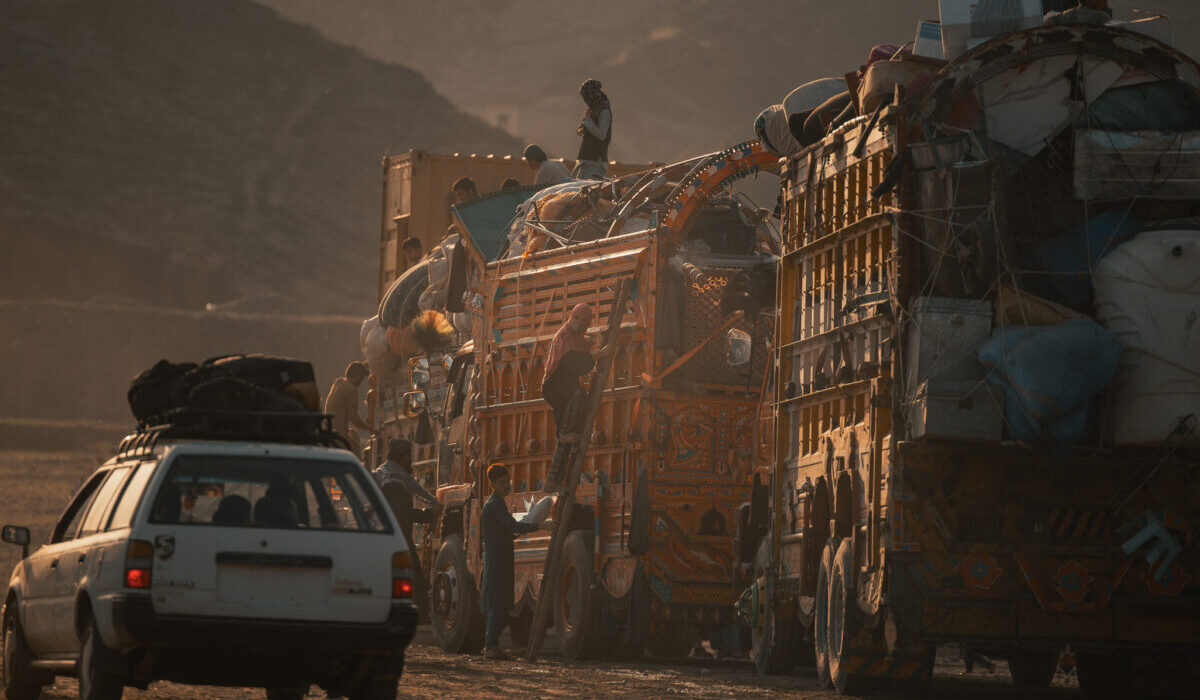
Amid rising tensions between Pakistan and the Taliban, the detention and expulsion of Afghan migrants in Pakistan has escalated sharply in recent weeks, leaving tens of thousands in a state of legal limbo and humanitarian distress.
Figures by the Taliban commission for refugees show that more than 21,000 migrants have been deported by Pakistan in the past three days. The UN refugees agency said that at least 35,000 migrants were deported from Iran and Pakistan during the past week.
Rights groups and displaced families say Afghan nationals are facing increasing restrictions, including a halt to visa renewals, bans on renting housing, and long delays in the processing of asylum applications and resettlement cases to third countries.
“Everything has stopped,” said one Afghan migrant in Islamabad who asked not to be named for fear of deportation. “We are being told we can’t extend our visas, we can’t rent homes, and we don’t know what’s happening with our cases. It’s making life unbearable.”
The Pakistani government has not formally commented on the growing number of complaints from Afghan migrants, but the policy tightening appears to follow a series of militant attacks inside Pakistan that officials blame on Afghan-based groups.
In July, Pakistani authorities launched the third phase of a national repatriation plan targeting undocumented Afghans, building on earlier orders issued in January and April that mandated the eviction and removal of migrants from key cities such as Islamabad and Rawalpindi.
Following deadly suicide bombings at a military academy in South Waziristan and in Islamabad earlier this year — attacks that Pakistan claims were carried out by Afghan nationals — the government intensified its crackdown, arresting hundreds and accelerating deportations.
In Kabul, Taliban Foreign Minister Amir Khan Muttaqi criticized what he described as the “inhumane treatment” of Afghan refugees, though he did not directly name Pakistan. Speaking at a high-level coordination meeting with UN agencies and sectoral ministries, Muttaqi said some countries were exploiting refugees for political purposes.
“In this harsh winter, Afghan refugees are forcibly evicted from their homes and denied reentry at the border,” Muttaqi said. “Is this not a clear violation of international refugee principles? Is this not severe injustice toward women, children, and the elderly?”
Human rights advocates have expressed alarm over the deteriorating conditions for Afghan refugees in Pakistan and criticized the lack of response from international organizations.
“This is a devastating situation for all Afghan refugees,” said Humaira Farhang, a rights activist based in Islamabad. “Returning is not an option for many of them. Yet, UNHCR — their only hope — is doing almost nothing. Cases aren’t moving, and people feel abandoned.”
According to the International Organization for Migration, more than 1.72 million Afghans have returned from Pakistan — many under duress — between September 15, 2023, and November 8, 2025, marking a significant surge compared to previous years.
While Pakistan defends its actions as necessary for national security, critics say the policy disproportionately affects civilians, including women and children, many of whom had lived in Pakistan for years and now face an uncertain future upon return to Afghanistan, where poverty, displacement, and lack of basic services persist.