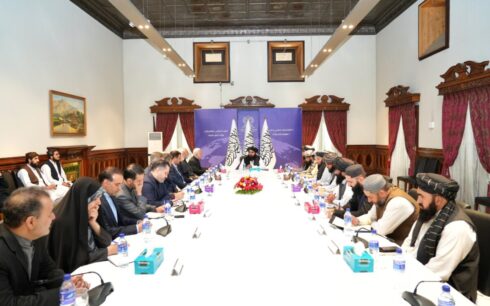
High-level negotiations between Pakistan and the Taliban this week in Istanbul ended without progress, with both sides trading blame for the failure of the four-day dialogue aimed at reducing cross-border violence and addressing terrorism concerns.
Pakistan’s Minister for Information and Broadcasting, Attaullah Tarar, said in a statement that the talks had “failed to produce any workable solution,” accusing the Taliban of offering no assurances and continuing to support anti-Pakistan terrorist groups, including Tehrik-i-Taliban Pakistan (TTP) and Baloch separatists.
“Pakistan has repeatedly engaged with the Afghan Taliban regime… but unfortunately, they have always remained indifferent to Pakistan’s losses,” Tarar said. He claimed that the Taliban “bear no responsibility towards the people of Afghanistan and thrive on a war economy,” using militant proxies as leverage.
According to Tarar, the talks—held at the request of Qatar and Turkey—focused on a single agenda: obtaining Taliban commitments to stop the use of Afghan soil as a base for attacks on Pakistan. He said Islamabad presented “sufficient and irrefutable evidence” of TTP and BLA activity inside Afghanistan, which was acknowledged by both the Taliban delegation and the host nations. However, the Afghan side allegedly refused to offer any guarantees or concrete steps.
In response, the Taliban said the talks failed because of what they called “unreasonable demands” by Pakistan, particularly Islamabad’s insistence on guarantees against attacks from Afghan territory, according to a report by the Taliban-run national broadcaster, RTA.
According to the report, the Taliban negotiating team said they remained committed to not allowing Afghan soil to be used against any country, but rejected responsibility for the actions of TTP, calling it “an internal issue of Pakistan that predates the current government.”
The Taliban also raised their own concerns during the talks, calling on Pakistan to stop violations of Afghan airspace and to prevent groups like ISIS from using Pakistani soil to launch attacks inside Afghanistan. They also called for separating politics from trade and the resumption of stalled border demarcation projects.
The breakdown in talks comes amid growing tensions between the two neighbors. Key border crossings, including Torkham and Spin Boldak, have remained closed for weeks, disrupting trade and aid delivery. Meanwhile, Pakistan has ramped up its campaign to deport undocumented Afghans, expelling thousands in recent weeks despite warnings from rights groups about worsening humanitarian conditions in Afghanistan.
Islamabad says the deportations are a national security measure amid increasing attacks on its security forces, many of which it blames on militants operating from Afghan territory.
Despite expressing gratitude to Qatar and Turkey for hosting the talks, Tarar warned that Pakistan’s patience is wearing thin. “We will continue to take all necessary measures to protect our people,” he said, suggesting that military action remains on the table.