The UN World Food Programme (WFP) warned on Wednesday that six of its most critical humanitarian operations—including in Afghanistan—are at risk of collapse by the end of the year due to severe funding shortages, potentially leaving millions without lifesaving food assistance.
In a new report titled “A Lifeline at Risk,” WFP said that global funding cuts could push an additional 13.7 million people from crisis (IPC Phase 3) into emergency levels of hunger (IPC Phase 4)—a one-third increase in the number of people already facing critical food insecurity.
“The world is facing a rising tide of acute hunger that threatens millions of the most vulnerable—and the funds needed to help us respond are drying up,” said WFP Executive Director Cindy McCain. “Every ration cut means a child goes to bed hungry, a mother skips a meal, or a family loses the support they need to survive.”
Afghanistan faces severe shortfall
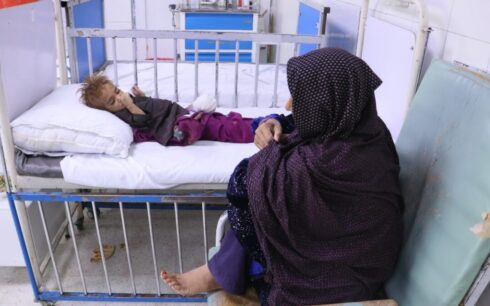
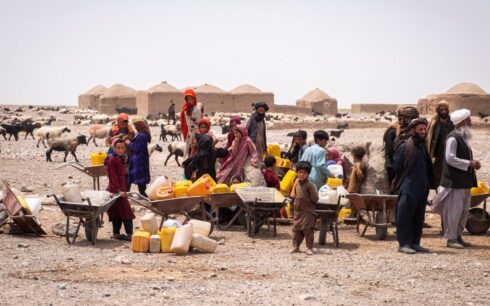
Afghanistan, where 9.5 million people are currently food insecure, is one of the six countries identified as being at immediate risk. WFP warned that it faces a $622 million funding gap over the next six months, with significant pipeline breaks expected as early as November. The agency may only reach 8 percent of its target population during the upcoming winter season.
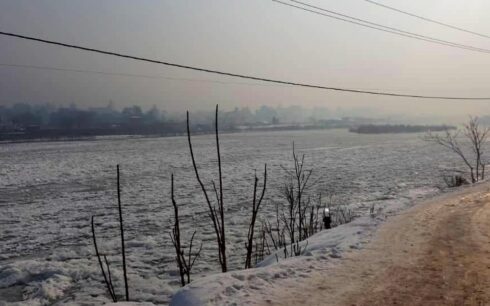
The report noted that, for the first time since 2016, WFP has not pre-positioned any food supplies in Afghanistan ahead of winter, raising fears of severe hardship during the coldest months.
Global hunger surges as resources shrink
WFP says global hunger has reached unprecedented levels, with 319 million people facing acute food insecurity, including 44 million in emergency conditions. The number of people at catastrophic or famine levels (IPC Phase 5) has doubled to 1.4 million in just two years. Two famines—Sudan and Gaza—are already underway.
The agency projects a 40 percent reduction in its 2025 budget compared to 2024, with expected funding falling from $10 billion to $6.4 billion.
“The gap between what WFP needs to do and what we can afford to do has never been larger,” McCain said. “We are at risk of losing decades of progress in the fight against hunger.”
She added that even areas where WFP had reduced aid dependency—such as the Sahel region—now risk falling back into crisis without sustained support.
WFP calls for global action
WFP called on governments, civil society, private donors, and humanitarian partners to act urgently and support critical food security programs.
“WFP will continue to advocate for all 319 million people facing acute food insecurity worldwide—not just the number we think we can raise the funds to feed,” McCain said. “Swift and effective food assistance is a vital bulwark against chaos in nations already struggling to cope.”