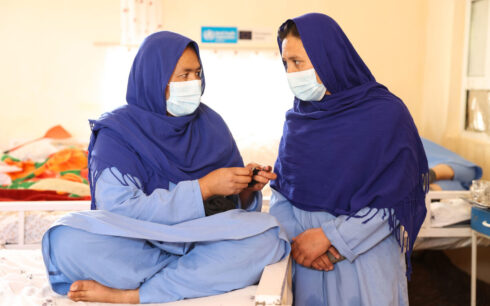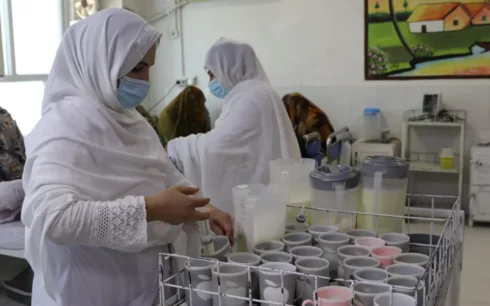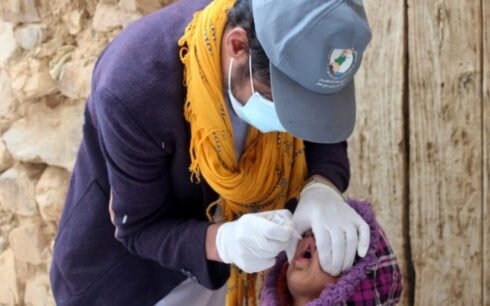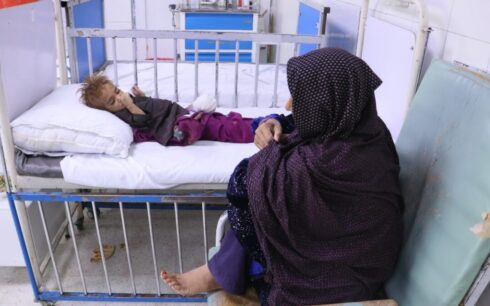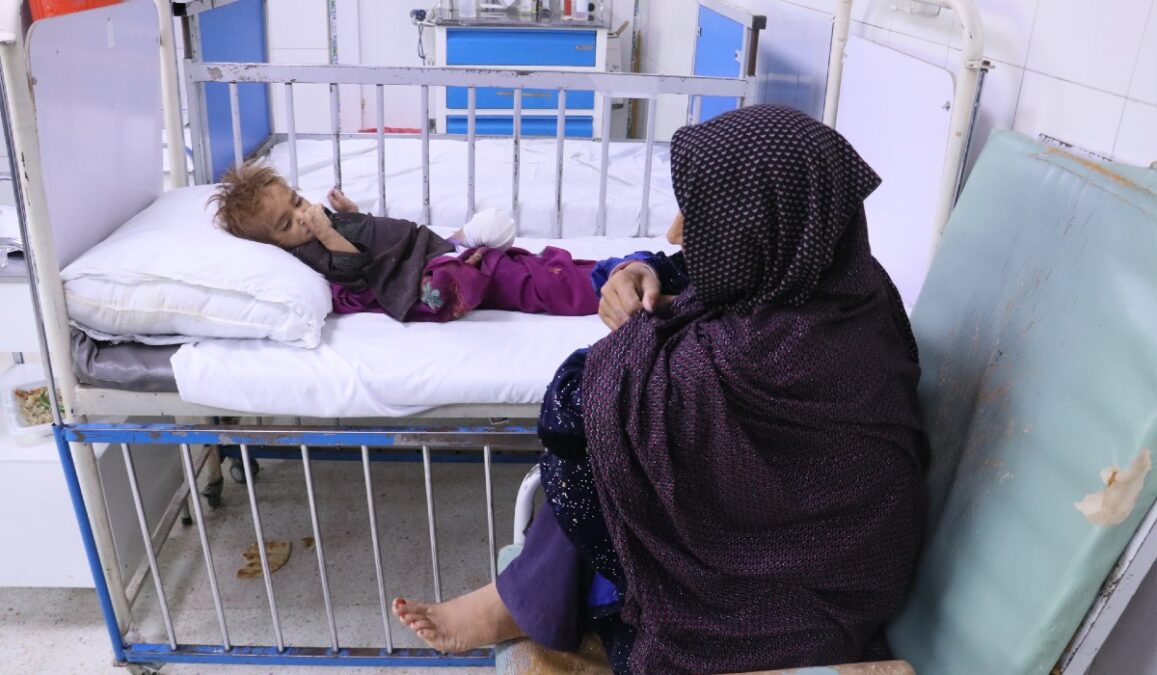
Nearly 6,000 women and children in the central province of Panjshir have been diagnosed with malnutrition so far this year, according to the Taliban-run Department of Information and Culture.
The department said in a statement that Hujatullah Mohammadi, the Taliban head of public health in Panjshir, reported 5,925 registered cases of malnutrition in the first six months of 2025. Of these, 4,244 were children with severe or moderate malnutrition, while 1,681 were pregnant women.
Mohammadi said 3,639 children have been treated, while others continue to receive care. Pregnant women, he added, are also being monitored and supported through 35 clinics and hospitals across Panjshir’s central districts and the areas of Rukha and Anaba.
He said the provincial health department is working with the Ministry of Public Health and the UN Children’s Fund (UNICEF) to address the crisis and prevent further deterioration.
This comes as UN agencies warn of worsening hunger and malnutrition across Afghanistan, where millions remain dependent on humanitarian aid. According to the UN Office for the Coordination of Humanitarian Affairs (OCHA), more than 15 million Afghans — over one-third of the population — face acute food insecurity, driven by economic collapse, climate shocks, and shrinking aid funding.
The World Food Programme (WFP) and UNICEF have both reported rising rates of child wasting, particularly among children under five and pregnant or breastfeeding women. UNICEF estimates that in 2025, over 875,000 children and 650,000 women nationwide require treatment for severe malnutrition.
Despite some ongoing humanitarian programs, aid agencies have warned that cuts in international funding and restrictions on female aid workers under the Taliban are undermining efforts to reach the most vulnerable communities, including in provinces like Panjshir.