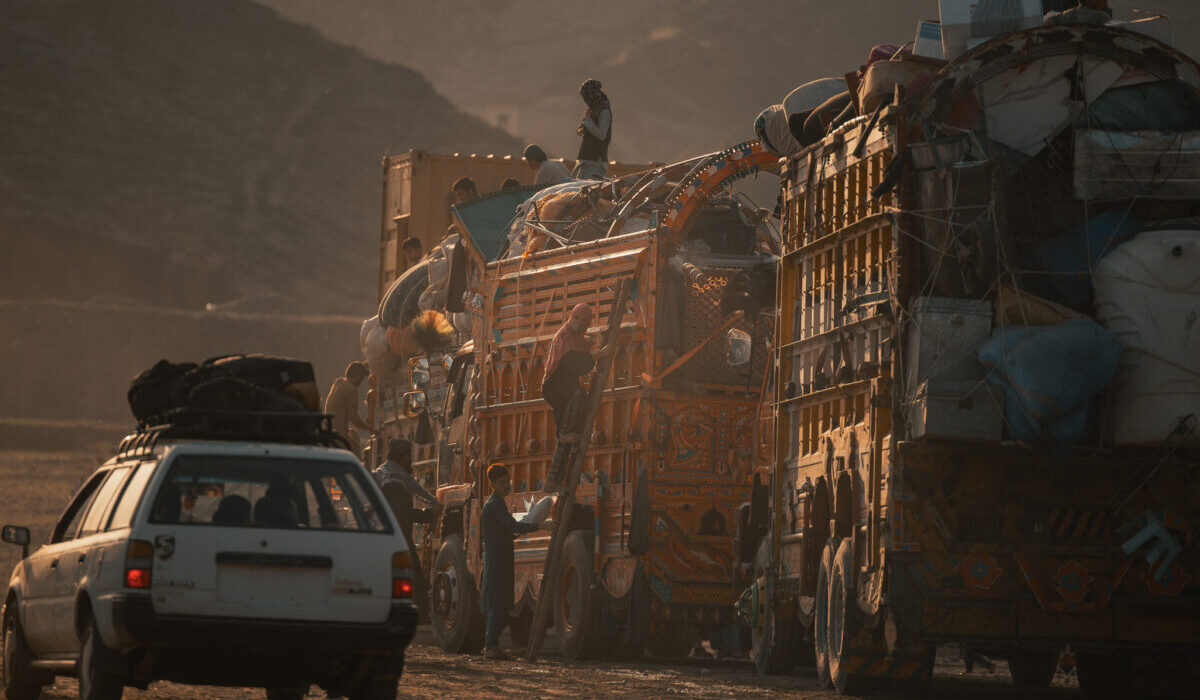
As deportations from Iran and Pakistan continue, more than 3,300 Afghan migrants were expelled in the past 24 hours, the Taliban’s Commission for Refugee Affairs said Sunday.
According to the commission, 2,909 Afghans returned from Pakistan and 442 from Iran on Saturday through border crossings at Torkham, Spin Boldak, Pul-e Abrisham and Islam Qala. A day earlier, 5,703 Afghans were sent back — 4,187 from Pakistan and 1,516 from Iran.
Iranian state media also reported a sharp increase in returns through the Dogharoon border in Khorasan Razavi province, with officials saying between 2,000 and 3,000 Afghans are crossing back into Afghanistan every day. Amirullah Shamaghdari, the province’s deputy security and law enforcement chief, told IRNA that more than 80 percent of Afghan migrants in the province have already returned this year.
He said over 90 percent of those returns were voluntary, while around 10 percent involved deportations following police identification. Shamaghdari added that June and July saw the highest number of returns and announced that a new biometric registration system at Dogharoon would begin operating next week to track cross-border movement in real time.
IRNA reported that undocumented Afghans identified in 11 Iranian provinces are being sent back through three official crossings — Dogharoon in Khorasan Razavi, Milak in Sistan and Baluchestan, and Mahiroud in South Khorasan.
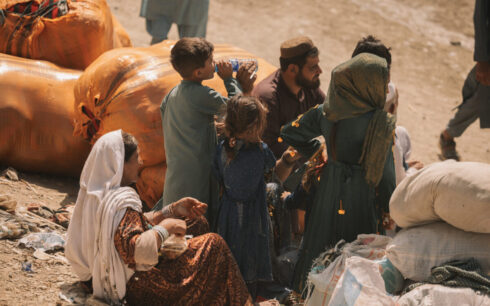
The surge in deportations from Iran and Pakistan has placed additional strain on Afghanistan, which is grappling with widespread poverty, unemployment and one of the world’s worst humanitarian crises. Aid agencies warn that the influx of returnees is overwhelming border facilities and local communities already struggling to provide basic services.
Many returnees say they face an uncertain future. “There are no jobs, and women are not allowed to study or work,” one returnee told Amu, adding that he had lived in Pakistan for years before being forced to leave.
Humanitarian groups estimate that millions of Afghans in Iran and Pakistan remain at risk of deportation as both countries tighten migration enforcement.