The International Crisis Group says a five-year development plan recently announced by the Taliban promises prosperity but is vague, dominated by ideology and offers no details on financing.
Completed in April but not published, the plan includes eleven components, the report titiled “After the Aid Axe: Charting a Path to Self-reliance in Afghanistan” says.
According to the group, the Taliban pledge to improve living standards, expand global economic ties, modernize industry and manage mineral resources. But other pillars — such as preserving religious values, upholding Islamic law and maintaining security — resemble doctrine more than an economic roadmap.
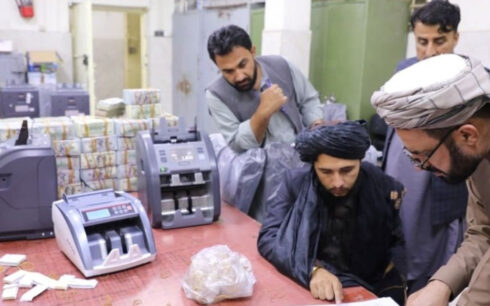
The report said the Taliban’s planners face deep internal constraints. According to the report, religious scholars are still reviewing laws inherited from previous governments, and finance officials keep the budget secret, sharing only limited details with ministries. Numbers showing the central bank’s depleted cash reserves remain tightly guarded.
A Taliban official told the group that the Taliban leader Hibatullah Akhundzada himself blocks detailed planning. In one case, a ministry submitted a multi-year plan for approval, but the document returned “stripped of operational details, leaving only religious platitudes that rendered the plan useless,” the report said.
Such ambiguity gives the emir more latitude to make decisions on the fly and concentrates power at his offices in Kandahar rather than the ministries in Kabul. Apart from spreading doubts among foreign interlocutors, the uncertainty surrounding the Taliban’s economic strategy frightens businesses.
One wealthy Afghan expatriate told the group that the regime offered him generous mining concessions but he turned them down, saying he could not risk investing in a place where laws depend on the leader’s whims. Another business owner said legal rulings in Kabul are not enforced in the provinces, as local authorities make their own interpretations of Islamic law. As a result, he said he had to close some of his provincial offices and hire intermediaries to help with reopening them.
Another consequence of the Taliban’s lack of transparency, the report noted, is a growing perception of corruption. Afghan businesses say the Taliban rulers are far less corrupt than previous governments, but they report a trend toward questionable deals, particularly pressure from Taliban authorities to make “voluntary” contributions to state coffers on top of the heavy taxes they already pay. “Charity can turn into coercion when firms depend heavily upon the regime’s goodwill,” the group warned.