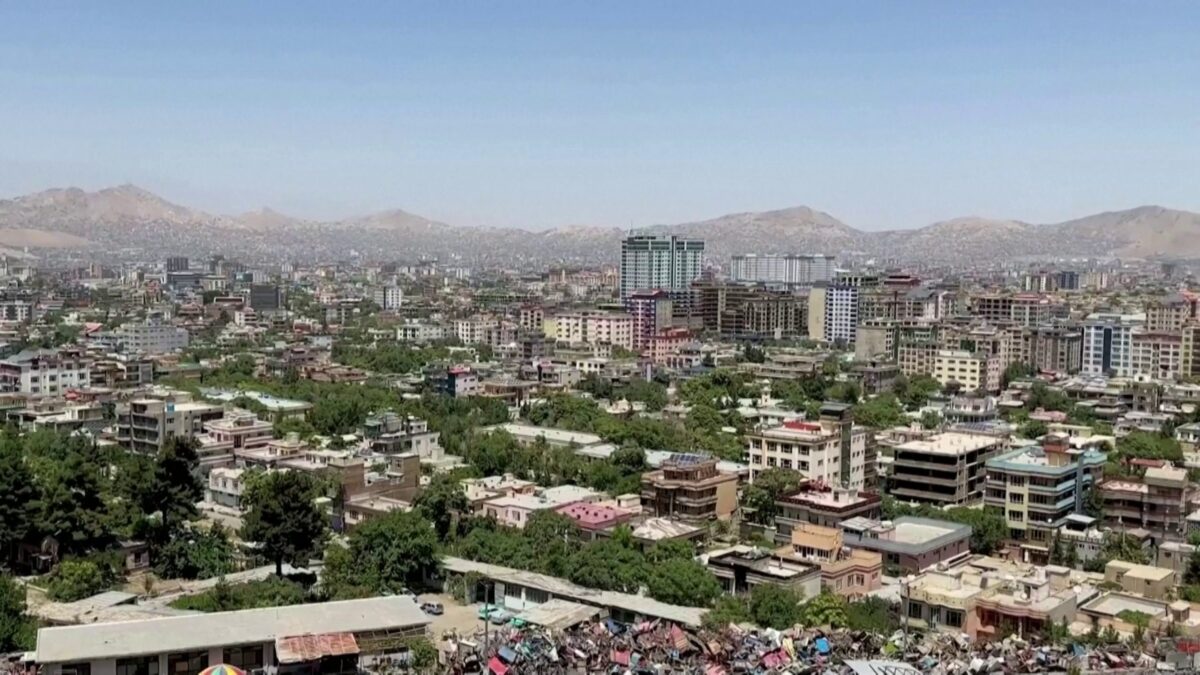
Residents of Kabul said Wednesday that the Taliban’s two-day shutdown of internet and telecommunications services left the capital feeling like a “dead city,” cutting families off from one another and disrupting daily life.
“We had no way of contacting our relatives inside or outside the country,” one resident told Amu. Many families said they spent the past 48 hours anxiously waiting for news of loved ones, with no phone or internet connection available.
Services began to partially return late Tuesday in Kabul and several other provinces, though sources said the restoration was limited to DSL and point-to-point connections through the Salam and Roshan networks, and connectivity remains unstable.
Residents called the Taliban’s move “unjustified,” saying it had no acceptable rationale regardless of the explanation. “This was an unnecessary action that only added to people’s suffering,” one Kabul resident said.
Banking services, offices and aid organizations were paralyzed during the blackout, according to multiple sources. It was not immediately clear if banks in Kabul and other cities would reopen Thursday.
The Taliban have not issued an official explanation. Last month, however, provincial officials confirmed that the restrictions began after Taliban leader Hibatullah Akhundzada issued a decree to cut fiber-optic access in order to combat “immorality.” By Sept. 29, internet watchdogs reported that connectivity had collapsed nationwide, including in Kabul.
The blackout sparked widespread anger across Afghanistan and among migrants abroad, many of whom lost all contact with their families. Aid groups warned the shutdown risked lives by disrupting medical services, remittances and humanitarian operations.
Human Rights Watch said the outage imperiled basic rights, including access to education for women and girls who rely on online classes. The United Nations also urged the Taliban to restore connections, warning that the disruption would severely damage banking, aviation, and the delivery of aid.
As of Wednesday night, residents feared the partial restoration could again be cut without warning, leaving the country in what activists have called “complete digital darkness.”