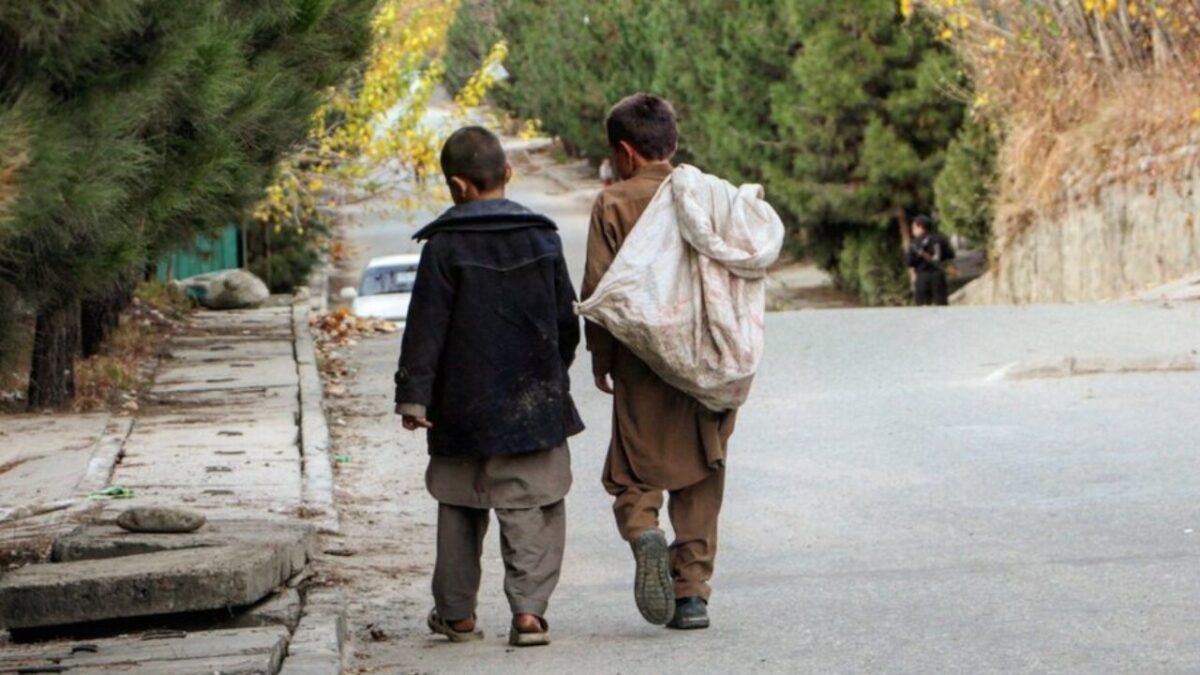
More than half of Afghanistan’s population, including 12 million children, remain in urgent need of humanitarian aid, UNICEF warned in its latest situation report, highlighting that the UN’s $2.42 billion appeal for 2025 is less than one-third funded.
As of August, only 28 percent of the appeal had been met, leaving critical gaps in food, health, education, and child protection services. UNICEF’s own $1.2 billion appeal is just 51 percent funded, with major shortfalls in nutrition, WASH, and gender services.
The report underscored multiple overlapping crises:
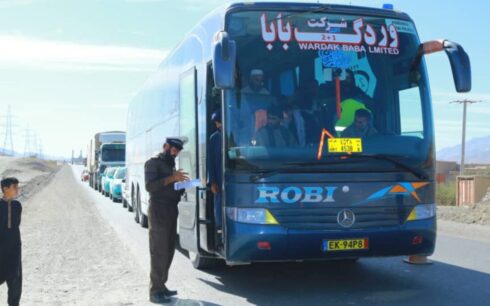
Mass deportations: More than 2.6 million Afghans have returned or been deported from neighboring countries this year, including over 2 million from Iran alone. Deportations account for the majority of returns, straining already fragile host communities in priority reintegration areas.
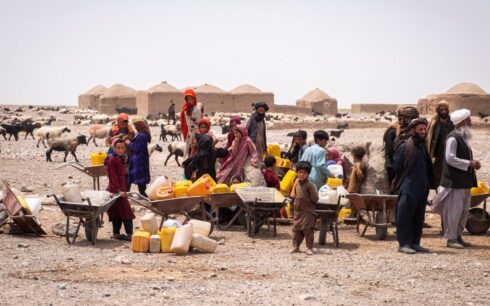
Natural disasters: On Aug. 31, a 6.0-magnitude earthquake struck the east, destroying homes, killing livestock and displacing thousands. Relief efforts remain hampered by poor access.
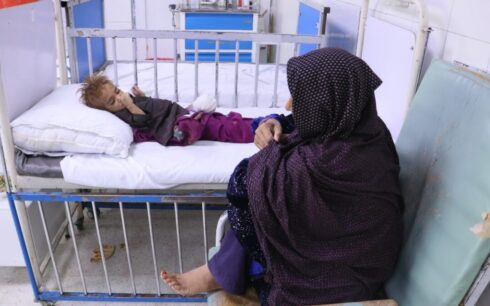
Health emergencies: Since early 2025, Afghanistan has reported 106,000 cases of acute watery diarrhea and 50 deaths, more than half among children under five. UNICEF has opened cholera treatment centers, expanded oral rehydration points to more than 2,400 facilities, and vaccinated 152,000 children against measles in August alone.
Child malnutrition: Nearly 63,000 children were admitted for treatment of severe wasting in August. In all, 857,000 children under five are expected to need treatment this year.
Despite these challenges, UNICEF and partners reached over 10 million Afghans between January and May with food, health care, education, protection, and water and sanitation services. In August alone, 341,000 children — 65 percent of them girls — accessed education through community-based classes, while more than 2.3 million children and caregivers received child protection or psychosocial support.
The report warned that without sustained international support, conditions will worsen, particularly for women, children, and returnees from Iran and Pakistan.