The United Nations on Sunday warned that thousands of families in eastern Afghanistan displaced by the Aug. 31 earthquake will not survive the coming winter without urgent international assistance.
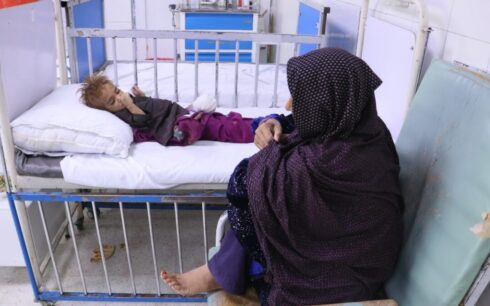
The UN Assistance Mission in Afghanistan and the UN Development Program said the situation remains dire in quake-hit areas, where local officials and aid agencies report hundreds dead, thousands injured and tens of thousands left homeless.
Roza Otunbayeva, the UN secretary-general’s special representative in Afghanistan, praised the resilience of local communities during a visit to affected areas and highlighted the critical role of women in delivering aid.
“The United Nations has now requested $139 million for an immediate response to Afghanistan’s crisis,” she said. “Without it, families will not survive the winter.”
The 6.0-magnitude earthquake struck eastern provinces, with the worst damage reported in Nangarhar, Kunar and Laghman. Aid groups said in some villages nearly all homes were destroyed, forcing families to live outdoors or in temporary tents.
Anatoly Balonov, UNDP’s regional director in eastern Afghanistan who is leading the damage assessment and early recovery efforts, described the devastation as overwhelming.
“In Sultan village of Dara-e Noor district, 12 people died, including eight children,” Balonov said. “More than 400 houses were destroyed, and people are afraid to return to half-collapsed homes because of aftershocks.”
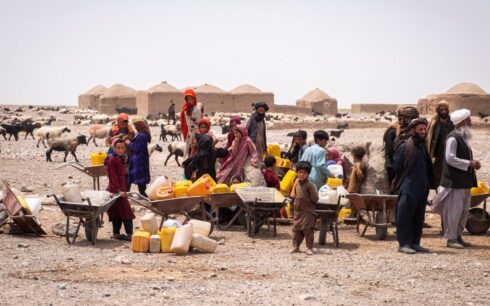
He said survivors’ immediate needs include shelter, food, clean water, energy access and psychosocial support. The carcasses of livestock trapped under rubble also pose serious health risks, he added, making debris removal critical to prevent disease outbreaks.
The UNDP said its recovery plan focuses on “community-based rebuilding,” where survivors will participate in clearing debris, reconstructing homes and restoring infrastructure. As part of the effort, “cash-for-work” opportunities will provide both income and support for reconstruction.
Balonov noted that access to remote areas is one of the biggest challenges. “Roads were insecure and unpaved even before the earthquake. Now many are blocked, and in some areas aid is delivered only on foot,” he said. Even so, he praised the resilience of Afghans, noting that young villagers have walked up to 13 hours through mountains to deliver aid.
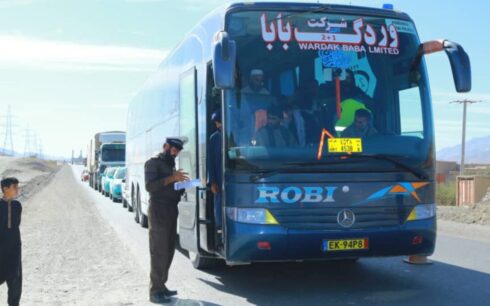
Among the displaced are many returnees from Pakistan and Iran, who were already struggling before the disaster and are now among the most vulnerable. The UNDP said support for women, returnees and other at-risk groups will be a core part of recovery plans.
The agency estimates that more than 38,000 people were displaced by the earthquake, putting additional pressure on limited resources and housing in eastern Afghanistan.
The UN said the disaster underscores how natural disasters hit the poorest hardest, as they often live in the weakest houses and have the fewest resources for recovery. Long-term rebuilding, it said, must go beyond emergency relief to include job creation, education, health care and basic services.