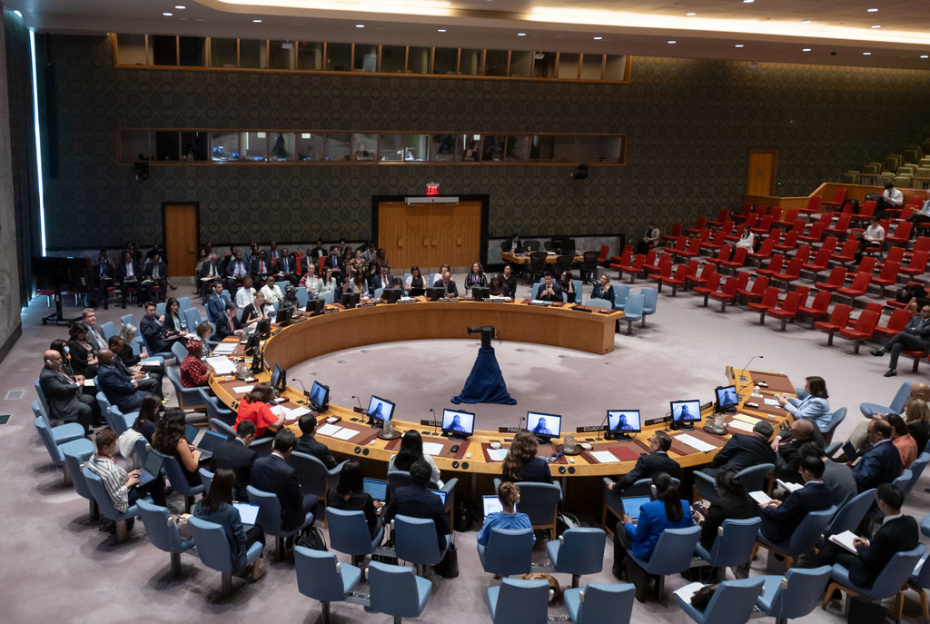
The UN Security Council will convene on Wednesday, Sept. 17, to discuss Afghanistan, a day later than initially scheduled. The meeting will feature the presentation of Secretary-General António Guterres’s quarterly report on Afghanistan, covering political developments, governance, the economy, security and human rights.
Diplomats say the report is expected to focus in particular on decrees issued by Hibatullah Akhundzada, the Taliban’s reclusive leader, and on the persistent threat posed by the Islamic State affiliate known as ISIS-K.
The session will also mark the final appearance before the Council of Roza Otunbayeva, head of the UN Assistance Mission in Afghanistan (UNAMA). Her tenure has been defined by calls for international engagement with the Taliban — appeals that drew sharp criticism from women’s rights advocates and other Taliban opponents. A successor has not yet been named.
Richard Bennett, the UN special rapporteur on human rights in Afghanistan, said in an interview this week that he hoped the next appointee would put rights at the center of the mission’s work. “I hope whoever is appointed gives the highest priority to human rights,” he said.
The Council meets as its permanent members remain split over policy toward the Taliban. China and Russia have pressed for greater engagement without conditions on human rights, while the United States, Britain and France have insisted that recognition or normalization must depend on progress on rights and the formation of an inclusive government.
Despite differences, all members broadly agree on the need for Afghanistan to combat terrorism, improve governance and address a worsening humanitarian crisis.