Steep US tariffs on a range of Indian products took effect Wednesday, posing a significant threat to India’s exports to its largest overseas market.
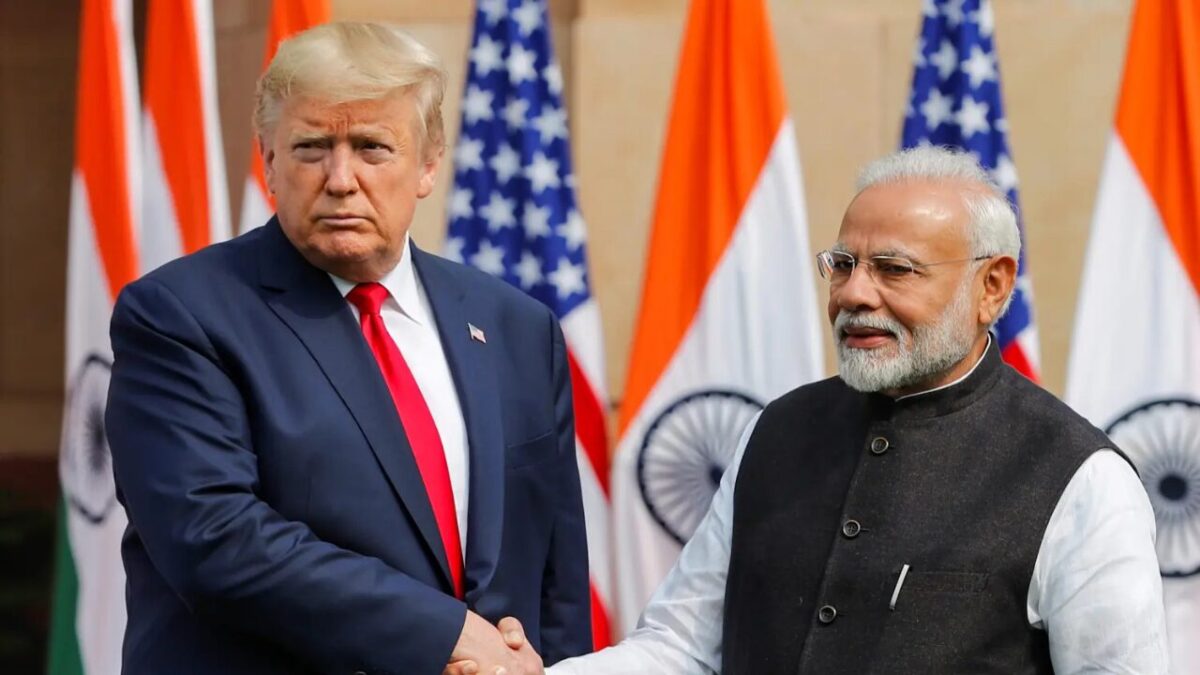
President Donald Trump initially announced a 25% tariff on Indian goods. But earlier this month, he signed an executive order imposing an additional 25% tariff in response to India’s purchases of Russian oil, bringing the total tariffs to 50%.
India’s government estimates the measures will affect $48.2 billion in exports. Officials warn the duties could render shipments to the United States commercially unviable, potentially leading to job losses and slower economic growth.
India–US trade ties have expanded in recent years, but remain sensitive to disputes over market access and political pressures. Analysts say the tariffs could slow momentum in one of the world’s fastest-growing major economies.
The New Delhi-based Global Trade Research Initiative said labor-intensive sectors such as textiles, gems and jewelry, leather goods, food products and automobiles will be hit hardest.
“The new tariff regime is a strategic shock that threatens to wipe out India’s long-established presence in the US, causing unemployment in export-driven hubs and weakening its role in the industrial value chain,” said Ajay Srivastava, the group’s founder and a former Indian trade official.
Pharmaceuticals and electronic goods have been exempted from the latest tariff increase, providing limited relief to India, which holds significant export share in those areas.
Puran Dawar, a leather footwear exporter based in Agra, said the industry will suffer unless domestic demand strengthens and new overseas markets are found.
“This is an absolute shock,” said Dawar, who exports to US retailers including Zara. Dawar also chairs a regional chapter of the Council for Leather Exports, a trade promotion body. “The US should understand that these tariffs will hurt its own consumers.”
Exporter groups warn that India’s small and medium enterprises, which are heavily dependent on US markets, could face severe setbacks.
“It’s a tricky situation. Some product lines will simply become unviable overnight,” said Ajay Sahai, director general of the Federation of Indian Export Organizations.
The tariffs come as Washington continues to push New Delhi for greater access to India’s agriculture and dairy markets.
India and the United States have held five rounds of talks toward a bilateral trade agreement but have yet to reach a deal. New Delhi has resisted opening sensitive sectors to cheaper American imports, arguing it would threaten the livelihoods of millions of farmers and small producers.
Prime Minister Narendra Modi this week reaffirmed that stance.
“For me, the interests of farmers, small businesses and the dairy sector are topmost. My government will ensure they aren’t impacted,” Modi said at a rally in Gujarat.
He also criticized what he called a global “politics of economic selfishness.”
A US delegation canceled a planned trip to New Delhi this week for a sixth round of trade negotiations.