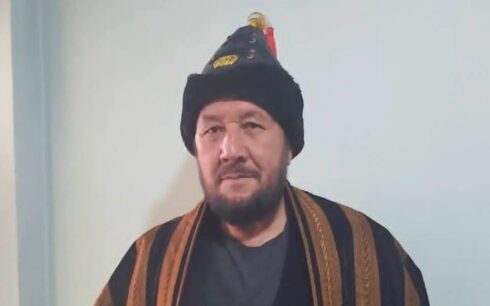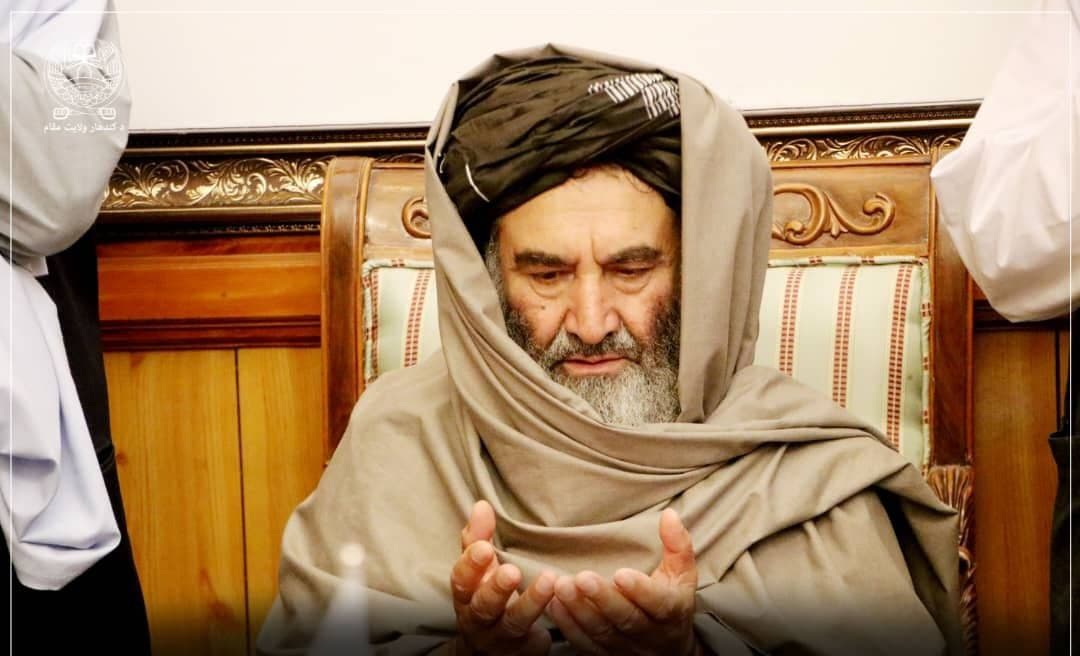
A high-level meeting of the Taliban’s seven provincial governors, ordered by their leader and chaired by his close aide Mullah Shirin, on Saturday, focused on security matters, including concerns over armed opposition activities which some participants said have increased compared to the past, three sources familiar with the discussions said.
The closed-door meeting, held at the Taliban governor Mullah Shirin’s office, brought together Taliban governors for Balkh, Nangarhar, Kabul, Kunduz, Herat and Paktia.
The sources confirmed that the agenda also included reviewing the “downsizing” of Taliban ranks by removing nonessential fighters, internal purges, repatriating Taliban families living abroad, and preventing leaks of sensitive security incidents.
With opposition activity reportedly on the rise outside Afghanistan, the participants also emphasized strengthening border security and equipping Taliban border forces, the sources said.
The Taliban governor for Balkh, Mohammad Yousuf Wafa, told the gathering that some armed elements in the north remain sporadically active but said measures had been taken to suppress them. He added that specific instructions had been issued to border authorities.
The Taliban governor for Herat raised concerns about Iran’s political influence through Afghan refugees, warning of possible consequences if their numbers in Iran continued to increase, sources said.
According to sources, other Taliban governors in the meeting said that armed resistance against the Taliban had grown in comparison to past years and called for greater readiness to counter it.
Previously, such meetings were chaired directly by Taliban leader Hibatullah Akhundzada. Observers say Mullah Shirin leading this session highlights his growing influence within the Taliban leadership structure.
Since seizing power in August 2021, the Taliban have faced sporadic armed resistance from groups such as the National Resistance Front as well as deadly attacks by the ISIS affiliate in Afghanistan, ISIS-K. Neighboring countries, including Pakistan and Iran, have also voiced concern about cross-border militant activity linked to Afghanistan’s territory.