Nine days before the Taliban mark the fourth anniversary of their return to power, women in Herat who lost their jobs under their rule say life has become harder than ever, though some still hold out hope for better days.
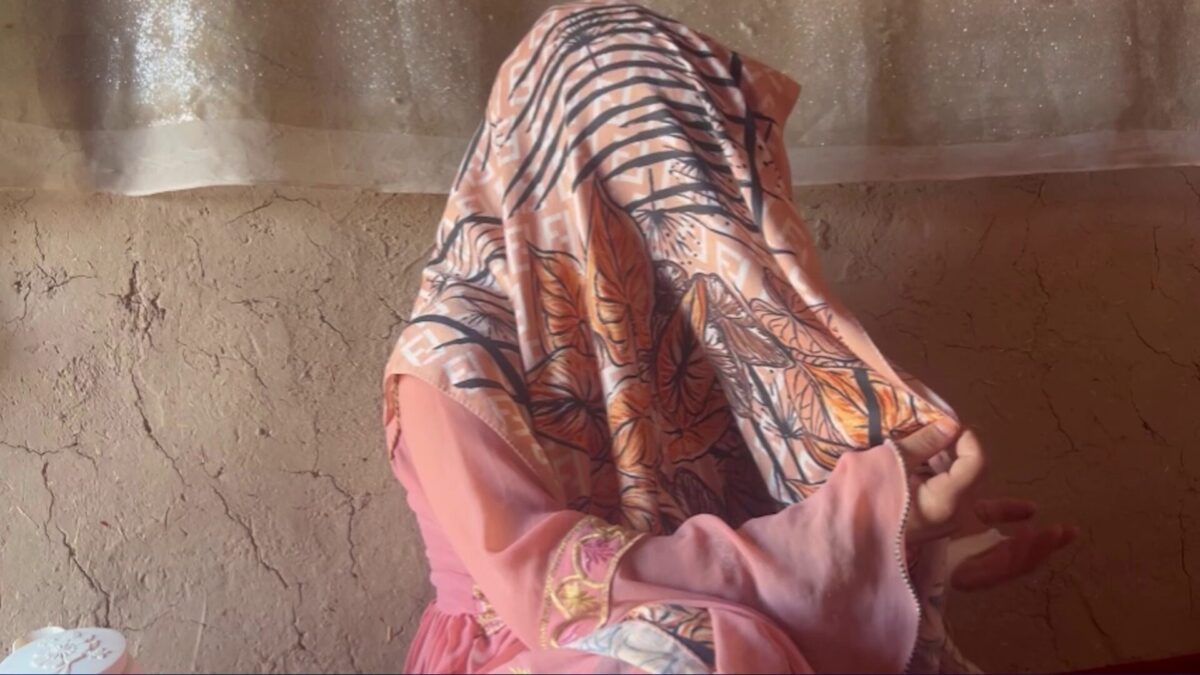
Maryam, a former staff member at a university in Herat, said she was dismissed after Taliban authorities cut women’s positions. Forced to find other means to survive, she sold off her belongings — including jewelry she bought during her government job — and used the money to start a small cattle farm.
“I was a university employee, but with the Taliban’s restrictions I wasn’t allowed to return to work,” she said. “To save myself from hunger, I sold all the jewelry I had bought when I was working. Now I have a small dairy farm, and thankfully it’s going well.”
Her story reflects the struggles of thousands of educated Afghan women who have been sidelined in recent years but continue to search for ways to rebuild their lives.
Malika and her mother, both previously employed as service workers in a government office, said they too were barred from their jobs by the Taliban. Now unemployed, they are burdened with debt and mounting health problems.
“I was discharged from the hospital just last night,” Malika said. “My husband owes 600,000 Afghanis. Everyone knows our life is not good.”
Her colleague, Saira, said she is struggling to care for her young children while battling illness. “The doctor told me my surgery would be free, but I had to buy the medicine myself. I didn’t have any money,” she said.
Since returning to power in August 2021, the Taliban have barred women from most government jobs and restricted their work in many private sectors, leaving thousands unemployed. With few alternative opportunities and increasingly severe social restrictions, many women are facing poverty, psychological strain and forced isolation.