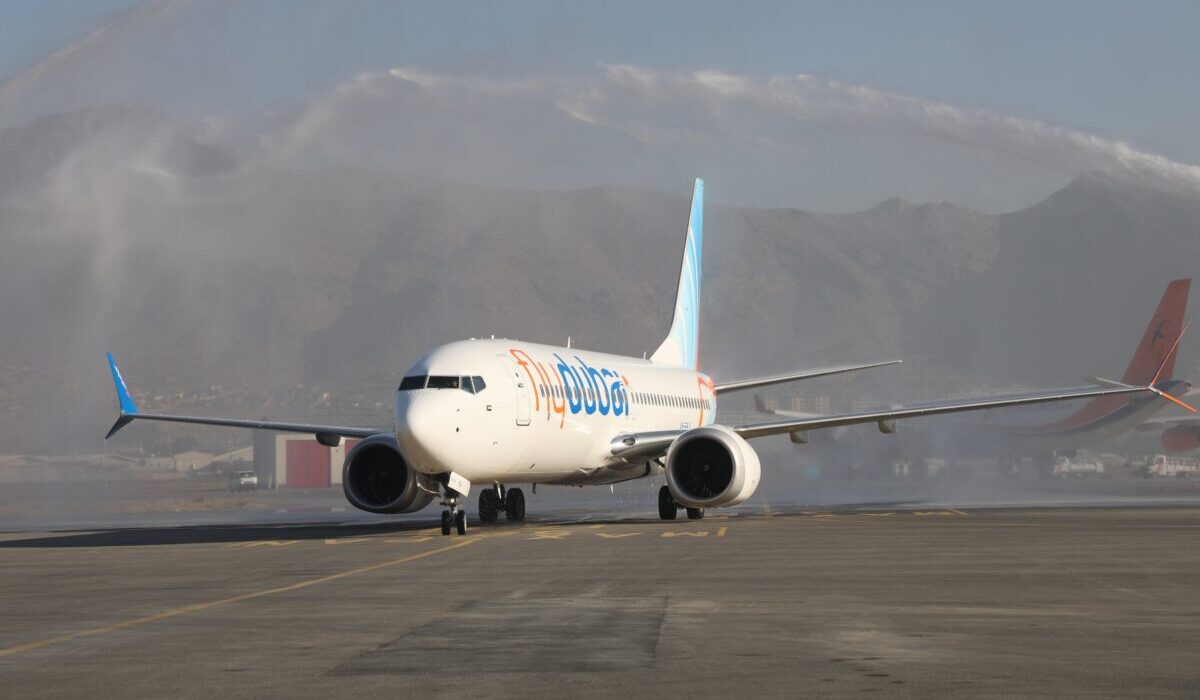
Afghanistan’s airspace recorded nearly 96,500 international overflights in the past year, with an average of 200 flights per day, according to Taliban officials from the Ministry of Transport and Civil Aviation.
At a press briefing Saturday marking the ministry’s annual performance report, Fathullah Mansour, the Taliban’s deputy minister of transport, said the uptick reflected increasing use of Afghanistan’s strategic air corridor — a trend some observers attribute to regional conflicts, including the wars in Ukraine and between Israel and Iran, which have altered traditional flight routes.
Mansour highlighted several infrastructure initiatives, including the expansion of the terminal at Kabul International Airport and efforts to standardize the country’s aviation and ground transport systems.
The ministry also reported facilitating the relocation of more than 540,000 Afghan returnees to their home provinces over the past year — part of an ongoing response to the mass deportations of Afghans from Iran and Pakistan.
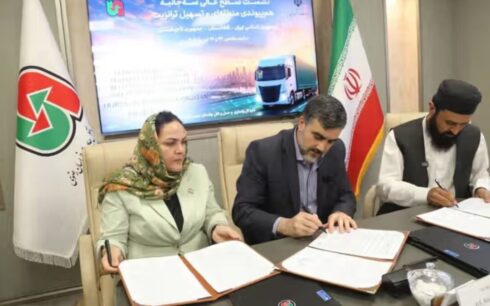
He added that they signed transport cooperation agreements with Russia, Tajikistan and Kazakhstan, and that more than 200 ministry employees were sent to countries including China, India and the United Arab Emirates for technical training programs.
The ministry also registered 216 freight companies and 162 passenger transport firms during the year and said it had maintained consistent monitoring of service standards.
Among its other reported achievements: facilitating the transport of 30,000 pilgrims for the Hajj, coordinating over 14,000 domestic and international flights, and upgrading infrastructure at airports in Kabul, Kandahar, Herat and Balkh.
To support the expansion of transportation networks, the Taliban deputy minister said approximately 23,000 jeribs of land had been allocated for the construction of new terminals and related infrastructure. Of 55 planned projects, 34 were nearing completion, reportedly generating nearly 4,000 jobs directly and indirectly.
While the Taliban have framed the figures as evidence of administrative competence and growing international engagement, analysts remain cautious.
Afghanistan has faced with a fragile economy over the past nearly four years amidst a sharp reduction in international aid and an influx of migrants from Iran and Pakistan. Moreover, Taliban restrictions have heavily undermined the economy as well as aid operations, according to UN and other international organizations.