More than 70 percent of Afghan journalists working in exile say they regularly practice self-censorship to protect sources, colleagues and family members, according to a new study released by Leipzig University. The widespread use of caution, researchers say, has come at a cost to journalistic depth and integrity.
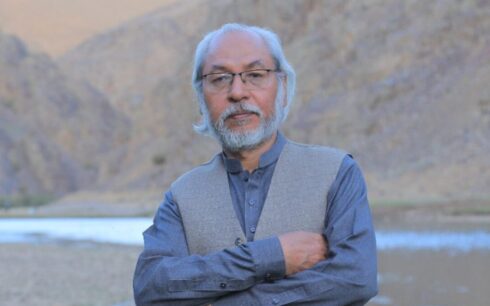
The study, presented Friday by Afghan journalist Hamid Obaidi at the “Scholarship in Diaspora: Unlocking the Potential of Diaspora Scholars – The Case of Afghanistan,” conference in Berlin, Germany, surveyed 147 Afghan reporters living outside the country. Of those, 115 are currently working with exiled media outlets. The research aimed to assess how Afghan journalists gather information, manage risks, and continue their work in the face of displacement.
Despite operating far from Taliban-controlled Afghanistan, 97 percent of respondents said they still conceal sources in sensitive reports, and 90 percent admitted to withholding stories entirely due to safety concerns. Only 42 percent said they were satisfied with internal support from their organizations.
Encrypted messaging platforms such as WhatsApp, Signal and Telegram have become the primary tools of information gathering, used by 95 percent of the journalists surveyed. Many rely on social media, diaspora networks, and contacts within Afghanistan to verify details and track developments on the ground.
Digital security remains a significant gap. Respondents rated their confidence in their own digital safety at just 2.8 out of 5, citing a lack of access to formal training and resources.
The report, supported by Leipzig University, also revealed a strong sense of purpose among Afghan reporters abroad. Ninety-five percent of journalists said their work in exile has helped bring global attention to Afghanistan, with a motivation score averaging 4.3 out of 5.
Still, the mental, political and logistical strain remains heavy. Several female-led outlets have reported licensing obstacles and pressure to appoint male directors to remain operational. Others have been forced to abandon reporting altogether due to shrinking international support.
The study calls for long-term structural backing for exiled Afghan journalists — including security training, funding and new reporting platforms — warning that without such support, independent coverage of Afghanistan could diminish further.
“Journalists may have left the country, but their work continues,” Obaidi said. “And so do the risks.”