An exiled women’s rights group has welcomed the International Criminal Court’s arrest warrants for two senior Taliban leaders, calling the move a “hopeful step toward justice, accountability, and formal recognition of crimes committed against the people of Afghanistan, especially women.”
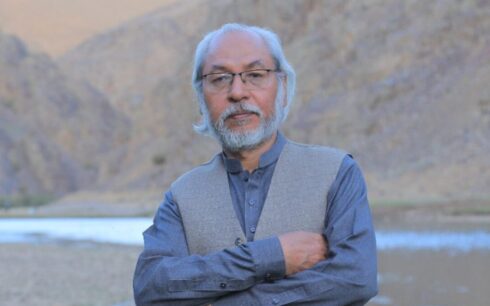
In a statement issued Thursday, the Afghan Women’s Movement in Exile, led by women’s rights activist Farzana Rezai, said the ICC’s decision to seek the arrest of Hibatullah Akhundzada, the Taliban’s supreme leader, and Abdul Hakim Haqqani, their chief justice, offers rare acknowledgment of what the group called “structural and gender-based atrocities.”
But the statement also warned that the warrants must not remain symbolic. The movement called for the creation of an independent international judicial committee to monitor and accelerate the legal process and to resist what it described as political efforts to “rehabilitate the Taliban’s image.”
The group cited recent developments, including Russia’s engagement with the Taliban and UN-led talks on Afghanistan’s political future, as signs of growing normalization efforts. “In a time when the Russian Federation chooses to legitimize a terrorist group by ignoring its structural crimes, and when the United Nations organizes vague political forums far removed from the victims’ interests, this ruling by an international court ignites a spark of hope,” the statement read.
The ICC’s Pre-Trial Chamber II announced last week that it had issued arrest warrants for Akhundzada and Haqqani, citing reasonable grounds to believe that both men were responsible for crimes against humanity, including gender-based persecution, torture, unlawful imprisonment, enforced disappearance, and the systemic denial of fundamental freedoms.
The alleged crimes occurred between August 15, 2021, when the Taliban seized power, and January 20, 2025, the court said.
The ruling marked the first time that Taliban leaders have been formally named and pursued by an international judicial body.
In response, Taliban officials rejected the court’s legitimacy and described the ruling as politically motivated and “without effect.” The Taliban have consistently denied allegations of widespread abuses and claim their rule is in line with Islamic principles.
However, the Office of the Prosecutor at the ICC reiterated its commitment to pursuing “effective legal pathways” to hold Taliban leaders accountable for gender-based crimes, emphasizing that the case recognizes the suffering and rights of women, girls, and others marginalized under Taliban governance.