More than 1.4 million migrants have returned to Afghanistan so far this year, the majority of them forcibly deported, the United Nations refugee agency said, warning of a deepening humanitarian crisis as resources dwindle.
The UN High Commissioner for Refugees (UNHCR) said that the scale of the returns — primarily from Iran and Pakistan — has overwhelmed Afghanistan’s already fragile infrastructure, pushing up humanitarian needs at a time when aid flows are declining.
“The sheer scale of these returns is creating a humanitarian emergency,” the UN agency said. “UNHCR urgently needs your support to deliver life-saving assistance.”
The UN agency said that many returnees arrive in Afghanistan traumatized by raids, detentions, and deportations under harsh conditions. Some report being separated from family members and stripped of their belongings before being expelled.
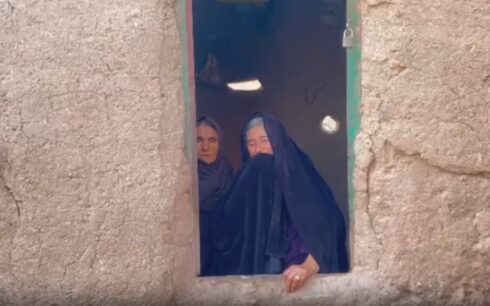
Women and girls, the report adds, face heightened risks upon return, as they encounter increased restrictions on their rights and freedoms under Taliban rule. Many have shared troubling accounts of harassment, discrimination and shrinking access to education and public life.
The agency also warned that ethnic and religious minorities, human rights defenders and journalists are particularly vulnerable upon return, facing both systemic discrimination and targeted threats.
The UN agency said that Afghanistan’s limited absorption capacity, combined with widespread unemployment and the impact of natural disasters, is compounding the crisis. Without increased international support, the agency warned, the country’s ability to manage such mass returns may collapse entirely.