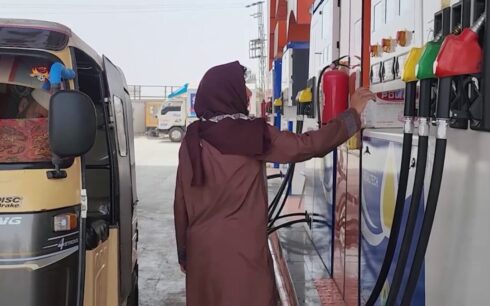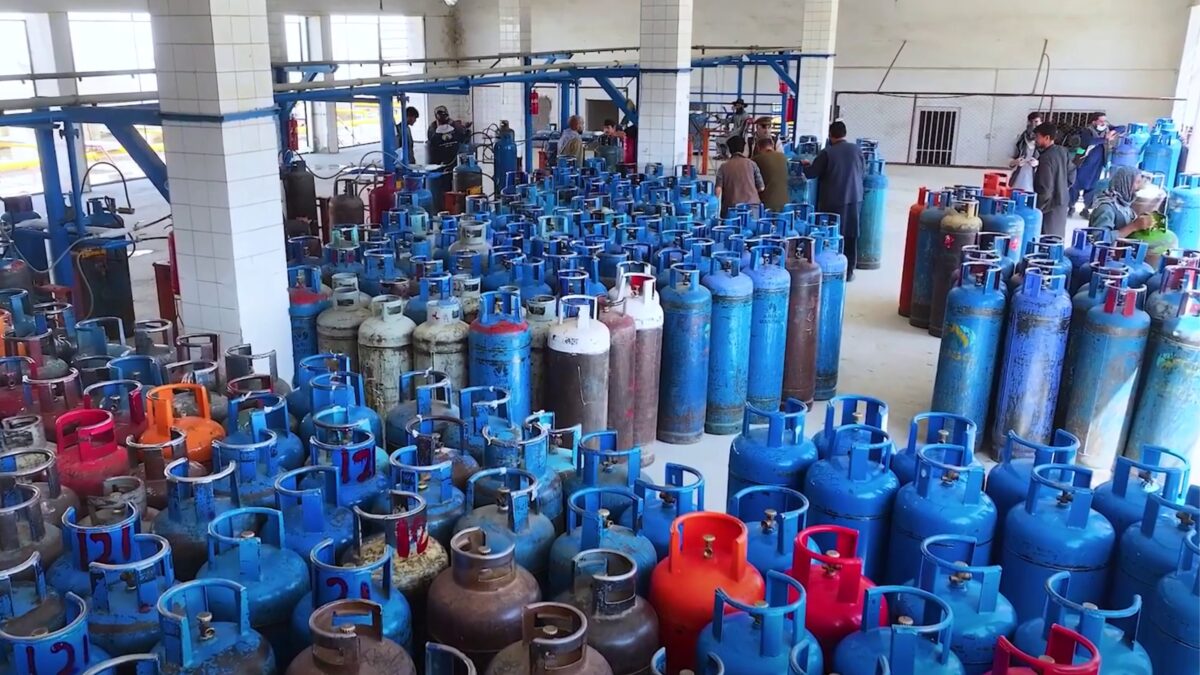
Rising prices for liquefied petroleum gas (LPG) and fuel are adding to the financial strain on Afghan households, with residents in several provinces saying the cost of basic energy supplies has increased sharply in recent weeks.
Residents in Kabul, Herat and Badghis told Amu TV that the price of LPG has risen by 20 to 25 Afghanis per kilogram, making it increasingly difficult for many families to afford cooking fuel.
The price increases have also pushed up transportation costs, residents said.
“Over the past 12 days, gas prices have risen dramatically,” said one resident of Kabul. “I recently paid 100 Afghanis for a kilogram of gas. Transportation fares have also increased—from 200 Afghanis to 300. People are really struggling.”
In response, the Taliban-run Afghan Gas Enterprise said it has begun inspecting authorized gas distribution centers and fixed the retail price of LPG at 70 Afghanis per kilogram at those outlets.
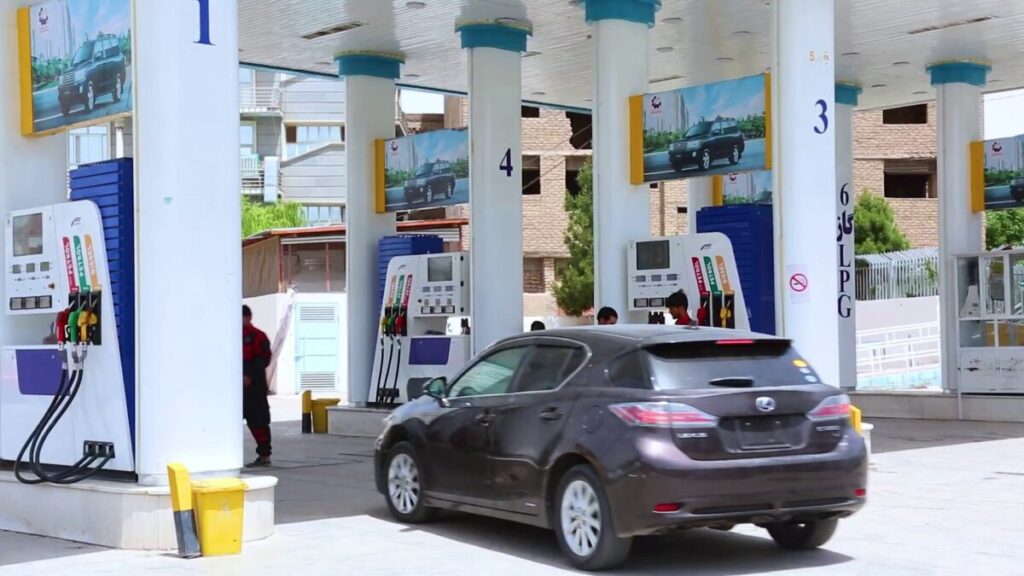
The company warned that vendors selling above the official price could face closure.
The price surge comes as regional supply disruptions affect Afghanistan’s energy imports.
Iran, Afghanistan’s largest supplier of fuel and liquefied gas—particularly to the country’s western provinces—has faced disruptions linked to regional tensions. Afghanistan also imports fuel from Russia, Kazakhstan, Uzbekistan and Turkmenistan.
Residents in western Afghanistan said the increase in fuel prices has been especially severe in recent weeks.
“I used to buy a kilogram of gas for 40 or 45 Afghanis,” said Afsana, a resident of Herat. “Now it costs 80 or even 90 Afghanis. Gas has become expensive, the economy is bad, and there is no work.”
In neighboring Badghis Province, resident Abdul Wali said higher fuel prices have further squeezed household budgets.
“Fuel has become so expensive that after paying transportation costs, people are left with almost nothing,” he said.
Official figures also indicate that Russia’s fuel exports to Afghanistan have declined. According to available data, Russian shipments of gasoline, diesel, liquefied gas and aviation fuel to Afghanistan have fallen 34 percent, to about 28,000 metric tons.
According to the International Energy Agency, Afghanistan consumes roughly 58,000 barrels of petroleum products a day, including diesel, gasoline, liquefied gas and jet fuel. Nearly all of the country’s fuel is imported, leaving domestic markets highly vulnerable to regional disruptions and price fluctuations.