Ministers and senior officials from across the Muslim world are set to gather in Islamabad on Sunday for a two-day conference on women’s rights and empowerment, while the Taliban have yet to announce whether they will participate.
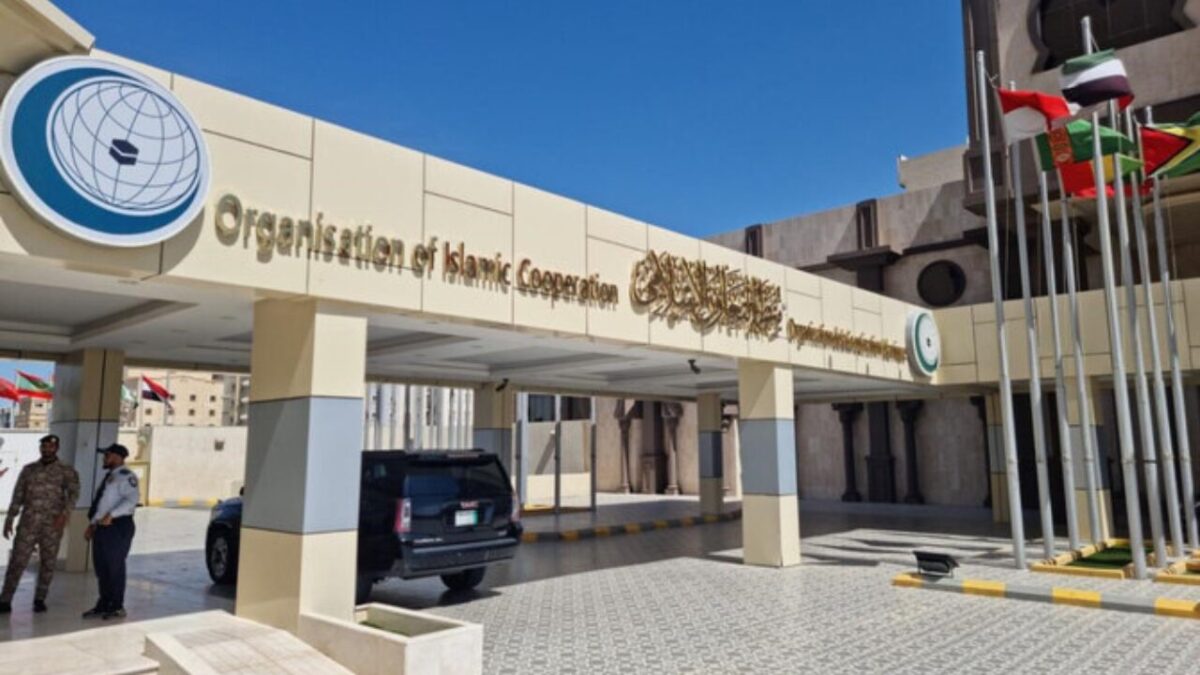
The ninth Ministerial Conference on Women of the Organization of Islamic Cooperation (OIC) is expected to bring together about 190 delegates from the organization’s 57 member states, along with OIC officials, observers and prominent women leaders.
Held every three to four years, the conference reviews member states’ progress on women’s rights, shares national policies and adopts new frameworks aimed at expanding women’s participation in society.
According to Pakistani officials, this year’s meeting will focus on strengthening women’s political, economic and professional participation, improving access to financial resources and technology, and narrowing gender gaps in digital participation.
In a statement, the OIC said the conference seeks to promote cooperation among member states and create conditions that enable women to contribute more fully to social and economic development.
“This high-level meeting will bring together leaders and policymakers to explore effective strategies for women’s empowerment, promote gender equality and create greater opportunities for women to contribute to a sustainable future,” the organization said.
The previous OIC ministerial conference on women was held in Cairo in 2021 and focused on women’s empowerment, protection frameworks and socioeconomic participation.
Although Afghanistan remains a member of the OIC, the Taliban had not publicly confirmed by Saturday whether they would send a delegation.
Photos released by Pakistan’s Ministry of Human Rights ahead of the conference showed Afghanistan’s tricolor flag displayed alongside those of other OIC member states. Neither Pakistani officials nor the Taliban, however, clarified who, if anyone, would represent Afghanistan.
The uncertainty follows the Taliban’s decision last year to decline an invitation to attend an international conference on girls’ education in Muslim societies, also held in Islamabad.
The meeting comes as women and girls in Afghanistan remain subject to sweeping restrictions imposed by the Taliban, including bans on secondary and university education for girls and women, severe limits on employment and restrictions on participation in public life.
A Kabul resident urged conference participants not to overlook the situation of Afghan women.
“We ask the Islamic countries and participants at this conference not to forget the women and girls of Afghanistan,” the resident said. “Millions of girls are still deprived of education, and women remain barred from work and many of their fundamental rights. We hope our voices will be heard and that the situation of Afghan women will be a priority in the discussions.”
Human rights organizations and UN officials have repeatedly condemned the Taliban’s policies toward women and girls. Several UN experts and rights groups have argued that the restrictions may amount to gender persecution or gender apartheid under international law.
The OIC has also repeatedly urged the Taliban to reverse restrictions on women’s education and employment, while continuing to engage with the authorities on humanitarian and diplomatic issues.