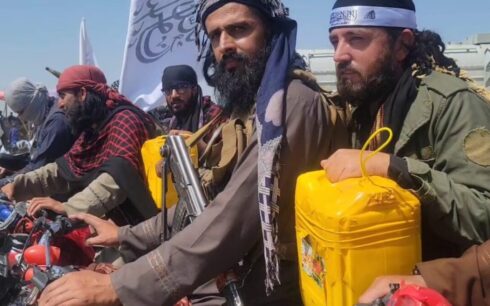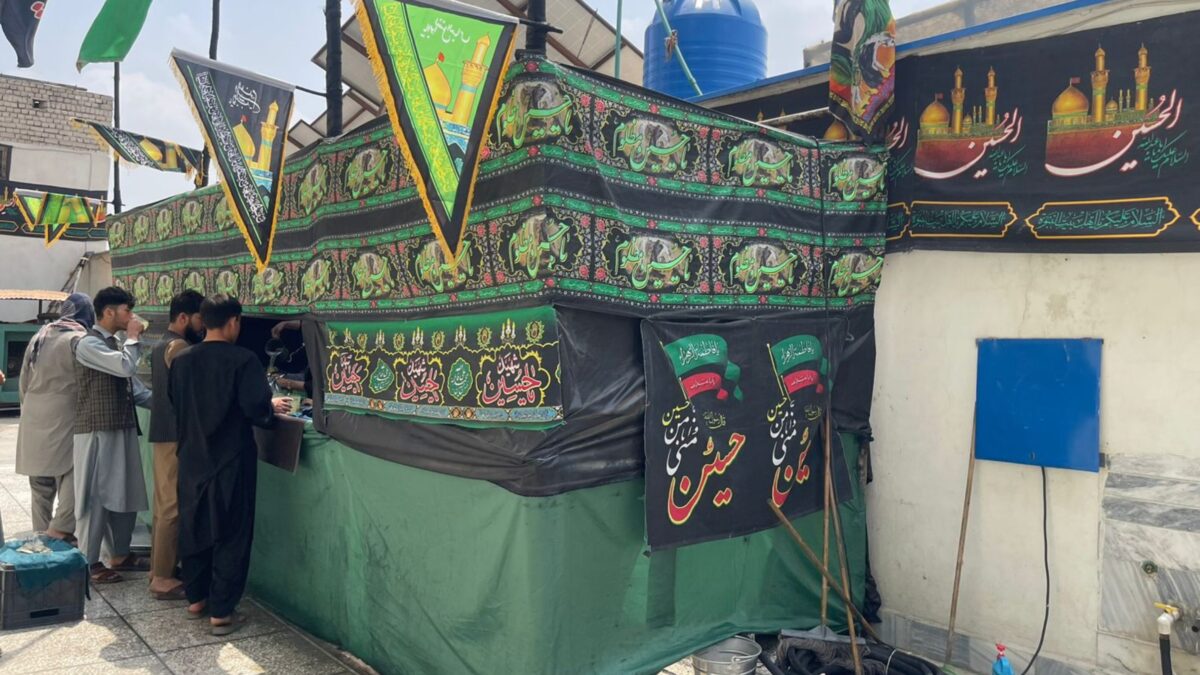
Afghanistan’s Shia community marked Ashura on Friday under heightened restrictions imposed by the Taliban, with worshippers and religious leaders reporting tighter controls on religious ceremonies, public displays of mourning and processions.
Local residents said Taliban limited Ashura commemorations to designated venues, prohibited the display of Muharram flags and mourning symbols in some areas, barred public mourning processions and banned the use of mosque loudspeakers beyond mosque compounds.
“Restrictions were imposed on displaying flags outside relevant stations, shops and homes,” said Mohammad Hussain, the caretaker of Imam Zaman Mosque. “We were also told that loudspeakers should only be used inside mosques and not broadcast outside.”
The restrictions come amid broader concerns over increasing pressure on Afghanistan’s Shia minority since the Taliban returned to power in 2021.
The Shia Ulema Council of Afghanistan said it was concerned by the measures imposed during Muharram and reported that several mosque and tekyeh officials had been detained over the installation of Ashura symbols.
“These actions have caused widespread concern within the Shia community and require urgent attention from the senior authorities of the Islamic Emirate,” the council said in a statement.
Several political groups opposed to the Taliban also condemned the restrictions, describing them as part of what they called a systematic effort to marginalize Afghanistan’s Shia and Hazara communities.
Local sources separately told Amu that Abdul Hakim Sharaee, the Taliban’s justice minister, ordered the detention of between 20 and 25 Shia residents in western Kabul in recent days over the display of Muharram flags.
According to the sources, those detained—including mosque committee members and caretakers of Shia congregation halls—were held for several days in what the sources described as a detention facility controlled by the justice minister before being released on Thursday.
The sources said Sharaee warned Shia residents not to raise Muharram flags or use loudspeakers on rooftops, mosques and tekyehs.
The reported arrests came days after community leaders said Taliban officials demanded that Muharram flags be removed from mosques in western Kabul, despite an earlier understanding that only flags in public spaces would be prohibited.
The restrictions extended beyond public ceremonies.
On Thursday, June 25, the administration of Khatam al-Nabiyyin Seminary, one of Afghanistan’s largest Shia religious institutions, said the Taliban’s Ministry of Justice had sealed the seminary’s mosque, library, religious schools and other facilities while a legal dispute over the property remains before a special court.
The seminary’s governing board described the move as premature, saying no final judicial ruling had been issued.
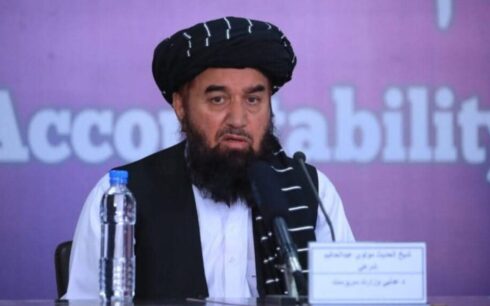
Meanwhile, Madar Ali Karimi, the Taliban’s deputy minister of urban development and housing, acknowledged concerns within the Shia community during an Ashura gathering in western Kabul and apologized for what he described as inappropriate treatment of Shia worshippers.
Despite the restrictions, many Shia residents continued to observe Ashura across the country.
Some worshippers expressed hope that Taliban would adopt a more accommodating approach in future years.
“We hope the government will allow us to commemorate Ashura freely, without unnecessary restrictions,” one resident of Kabul said.
Since returning to power in August 2021, the Taliban have increasingly tightened controls over Muharram observances, including limits on public processions, religious symbols and security arrangements. Rights groups have warned that the measures form part of broader restrictions affecting Afghanistan’s religious minorities and civil liberties.