A senior Taliban official has defended the enforcement of their dress code for women, describing the hijab as a matter of “national sovereignty and cultural identity,” days after Taliban morality police detained dozens of women in western Afghanistan for allegedly violating the required dress code.
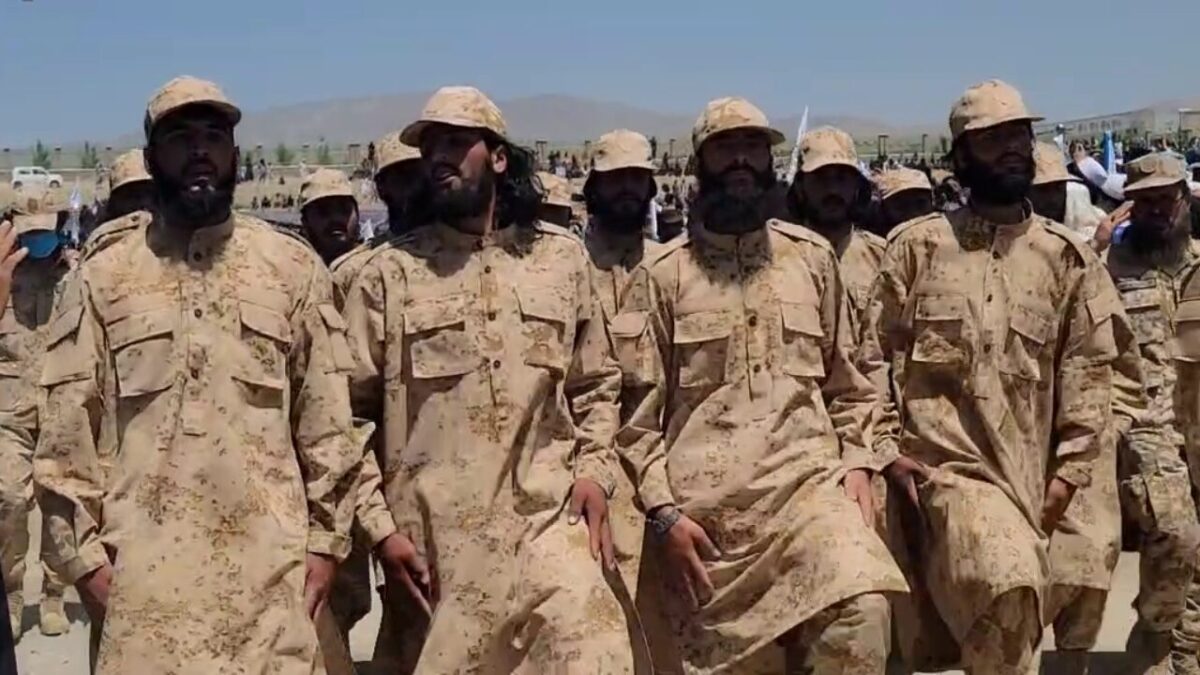
Saif-ul-Islam Khyber, spokesman for the Taliban’s Ministry for the Promotion of Virtue and Prevention of Vice, said in a statement posted on Facebook that Afghanistan has the right to uphold laws based on its religious and cultural values.
“If France has the right to maintain its secular system and the United States has the right to maintain its legal system, Afghanistan also has the right to have a system that reflects the cultural and religious values of its majority,” he wrote.
Khyber’s remarks come amid growing scrutiny of the Taliban’s enforcement campaign in Herat province, where the UN Assistance Mission in Afghanistan (UNAMA) has confirmed that at least 30 women were detained during the first week of June for what Taliban authorities described as violations of the prescribed hijab.
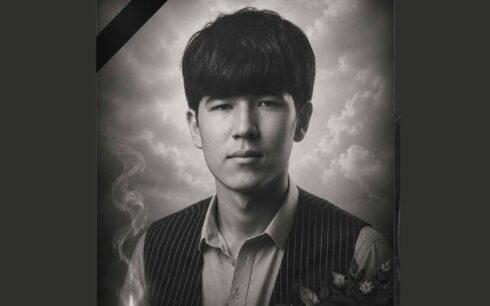
The arrests triggered rare public protests in Herat, where residents gathered to condemn the detentions. UNAMA later reported that Taliban used live ammunition to disperse demonstrators, leaving at least one person dead.
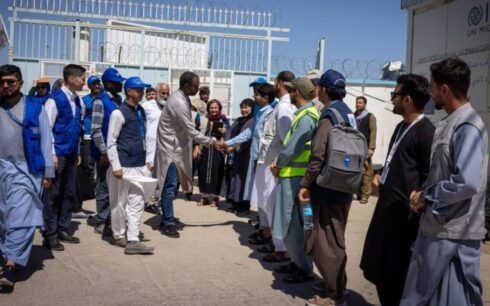
Sources have told Amu TV that the crackdown extended beyond women. Local sources said Taliban morality police also detained male employees of several UN-affiliated and international aid organizations in Herat over allegations that they had trimmed or shaved their beards. Taliban have not publicly commented on those reports.
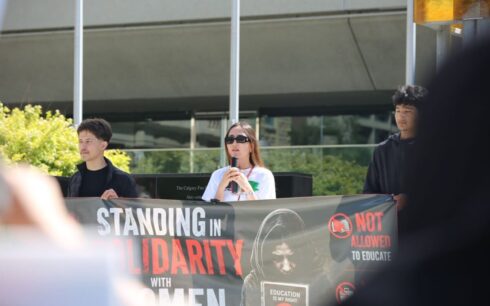
The developments have sparked demonstrations among Afghan diaspora communities in the United States, Canada and several European countries. Protesters have accused the Taliban of systematically excluding women from public life and have renewed calls for the international community to recognize the Taliban’s policies as a form of gender apartheid.
Since returning to power in 2021, the Taliban have imposed sweeping restrictions on women and girls, including bans on secondary and university education, limits on employment and restrictions on freedom of movement and public participation.
UN experts, human rights organizations and foreign governments have repeatedly condemned those measures. In recent reports, UN human rights experts have warned that the Taliban’s policies amount to institutionalized discrimination and have called for greater international accountability.
The Taliban’s Ministry for the Promotion of Virtue and Prevention of Vice has played a central role in enforcing the restrictions. Since the Taliban enacted a new morality law in 2024, the ministry has been granted broad authority to police dress, behavior and public conduct, drawing criticism from rights groups that say the measures further erode personal freedoms.
Despite mounting international pressure, Taliban have continued to defend the policies as matters of religion, culture and national sovereignty.