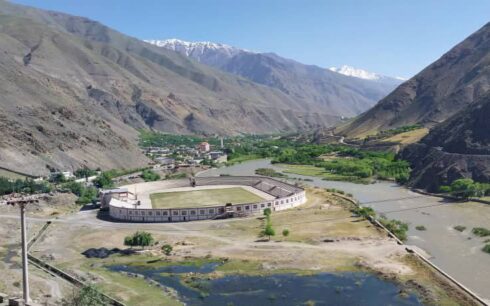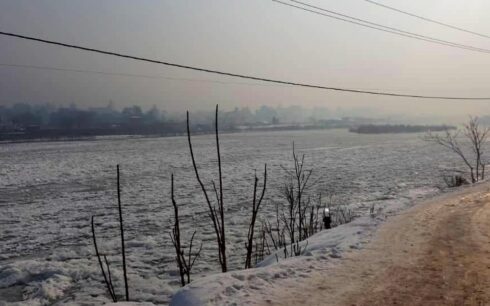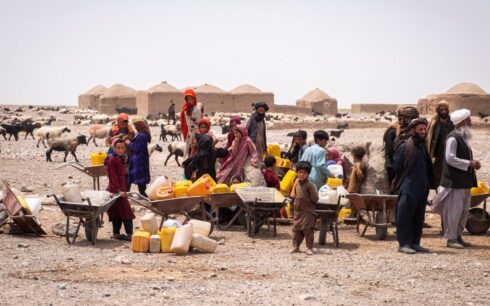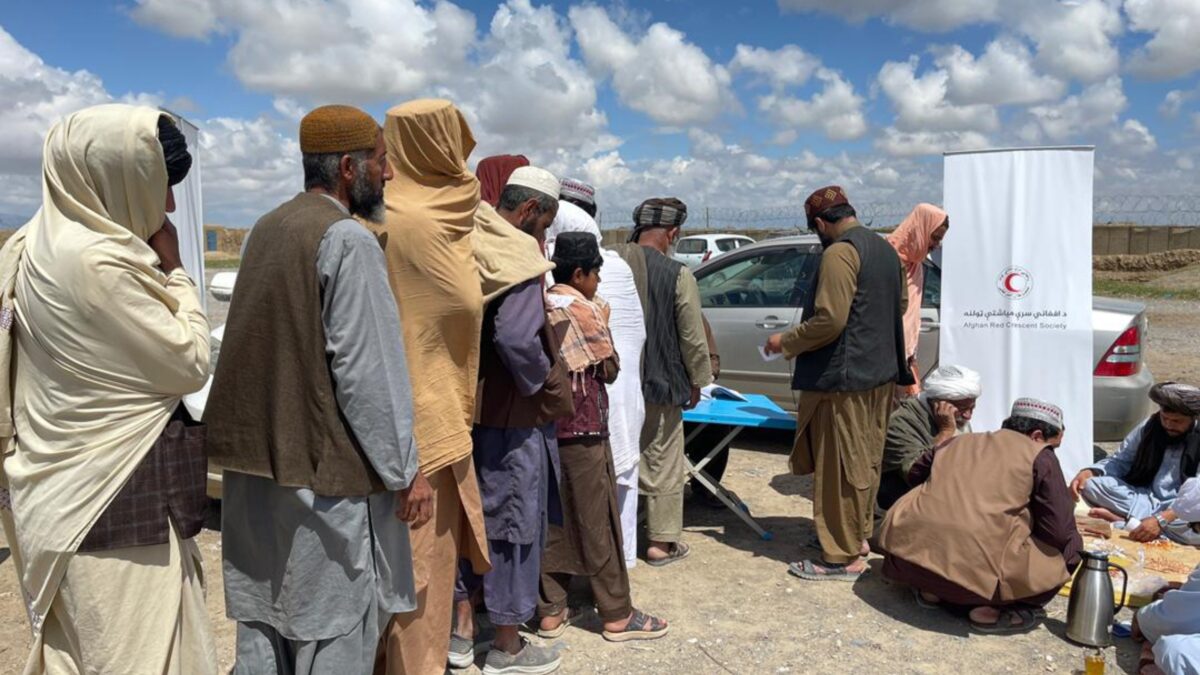
About 136,000 people in eastern Afghanistan’s Nuristan province have endured severe shortages of food, health care and basic supplies after weeks of isolation caused by ongoing conflict, according to the International Committee of the Red Cross.
For more than six weeks, insecurity and blocked access routes cut off roughly 17,000 households in the districts of Kamdesh and Barg-e-Matal, leaving communities without reliable access to essential services, the organization said on Tuesday.
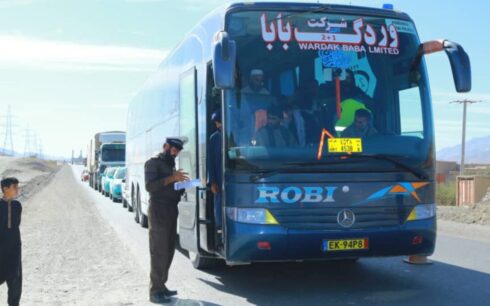
Following sustained negotiations with parties to the conflict, humanitarian agencies have now begun delivering urgently needed aid to the region, marking a rare restoration of access to one of Afghanistan’s most remote and hard-hit areas.
The operation, led by the International Committee of the Red Cross in coordination with the Afghan Red Crescent Society and the World Food Program, is focused on delivering food, medical supplies and other critical relief items, the agency said.
Aid officials said the breakthrough came after weeks of dialogue aimed at securing safe and unimpeded passage for neutral humanitarian actors. The agreement has allowed convoys to begin reaching communities that had been largely inaccessible.
The reopening of roads into Nuristan has also enabled markets to begin restocking and allowed medical evacuations to resume, the ICRC said.
Even as assistance arrives, humanitarian needs remain acute. Early assessments indicate continuing gaps in food security, health care and essential services, particularly after prolonged disruption.
Aid agencies say they are working with community representatives to align assistance with the most urgent needs, while warning that sustained access will be critical to preventing further deterioration.
The organizations involved emphasized that their work is guided by principles of neutrality, independence and impartiality, and called on all parties to ensure continued, unimpeded access to vulnerable communities.
Analysts say the situation highlights the fragility of humanitarian access in conflict-affected regions, where shifting security conditions can quickly isolate entire populations.