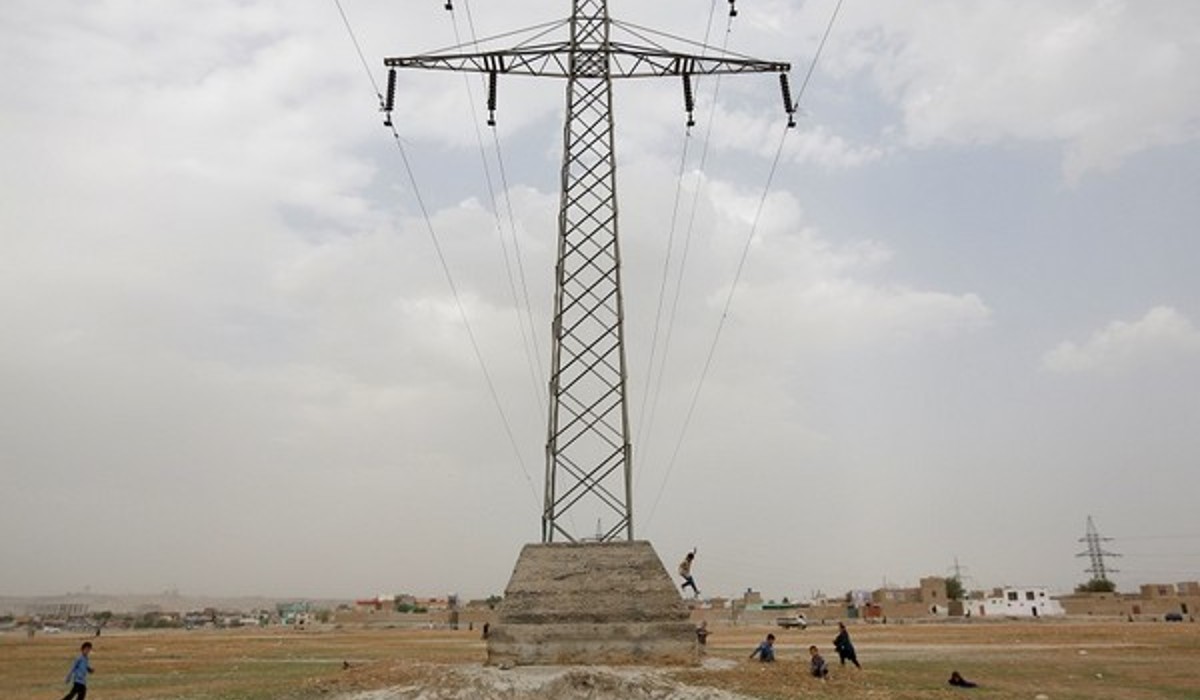
Afghanistan’s state-owned power utility, Da Afghanistan Breshna Sherkat (DABS), on Thursday inaugurated construction of an electricity transmission project in the northern province of Kunduz, saying it was part of efforts to expand access to power in the country, which faces chronic shortages.
The project, valued at 535 million Afghanis — about $8.3 million — will link the Asqalan substation in Kunduz to Dasht-e-Archi district in the same province through a 220-kilovolt transmission line. Once completed, it is expected to carry up to 140 megawatts of electricity, DABS officials said during a ceremony held in the city of Kunduz.
Speaking at the event, Taliban-appointed chief for DABS, Abdul Haq Hammad, said the project would help provide more reliable electricity to residents and support economic activity in the region.
He described the initiative as part of a push toward more balanced development, particularly in underserved districts such as Dasht-e-Archi, where access to electricity has been limited.
Afghanistan’s electricity system remains severely constrained. The country requires an estimated 3,000 to 3,500 megawatts of power to meet demand, but domestic production supplies only about 600 to 700 megawatts, much of it generated from hydropower and small thermal plants.
To make up the shortfall, Afghanistan imports roughly 70 to 80 percent of its electricity from neighboring countries, including Uzbekistan, Tajikistan, Turkmenistan and Iran.
Access to electricity remains uneven. According to international estimates, only about 35 to 40 percent of the population has reliable access to power, with significantly lower coverage in rural areas.
Even in Kabul, electricity is not continuous. Power is distributed in scheduled rotations, and many households experience outages lasting several hours each day.
In provinces such as Kunduz, the situation is often more severe, with limited infrastructure and frequent disruptions affecting daily life, businesses and access to essential services.
DABS said the new transmission line is expected to improve stability in the northern grid and ease some of the pressure on local supply, though broader structural challenges in the electricity sector remain.