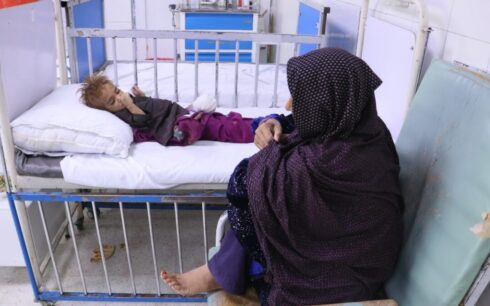
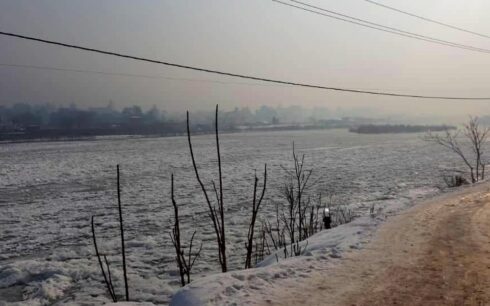
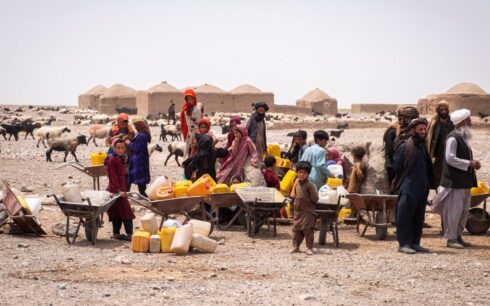
Heavy rains and flash floods have swept across nearly all of Afghanistan, killing at least 93 people and affecting more than 73,000 others in less than two weeks, the UN humanitarian office, OCHA, said on Thursday.
OCHA said that between March 26 and April 6, flooding impacted 31 of Afghanistan’s 34 provinces, reaching 165 districts and more than 500 villages — roughly one-third of the country.
Preliminary figures show that at least 181 people were injured and four remain missing, while more than 10,600 families have been affected. Aid agencies have so far assessed about 12,900 people in need of immediate assistance, with evaluations ongoing, OCHA said.
The damage has been extensive, the UN agency said, adding that more than 9,000 homes have been affected, including over 7,600 that were completely destroyed. It also said that floodwaters have also wiped out about 15,600 jeribs of agricultural land, killed more than 500 livestock and damaged roughly 200 kilometers of roads, along with 19 bridges.
According to OCHA report, the eastern region has been hardest hit, particularly Nangarhar province, followed by southern and western areas. Landslides and flooding disrupted major transport routes, including the Kabul-Jalalabad highway and roads linking Jalalabad to Kunar and the Torkham border crossing, complicating the movement of people, goods and humanitarian aid.
In Kandahar province, OCHA said, about 100 families were temporarily relocated due to flood risks before returning to their homes, highlighting ongoing concerns about safety and displacement.
OCHA added that rural communities have borne the brunt of the crisis, with widespread damage to livelihoods and growing risks to food security. While recent rainfall has improved soil moisture, potentially benefiting spring crops, aid agencies warned that continued localized flooding, access constraints and below-average temperatures in higher areas could still threaten agriculture and livestock.
The flooding crisis has also coincided with a 5.9-magnitude earthquake that struck northeastern Afghanistan on April 5, killing at least 14 people in Kabul and surrounding areas after several homes collapsed, OCHA said. Aid officials said heavy rains may have worsened structural damage.
Humanitarian needs remain urgent, the UN agency said, adding that immediate priorities include emergency shelter, non-food items, clean water, debris clearance and protection services, particularly in areas where damaged infrastructure and unexploded ordnance pose additional risks.
As of April 7, aid organizations had reached about 8,400 people with assistance including food, cash support, shelter materials and hygiene supplies. However, according to OCHA, significant gaps remain, especially in the provision of cash assistance in northern provinces such as Samangan, Kunduz and Baghlan, limiting families’ ability to meet basic need.