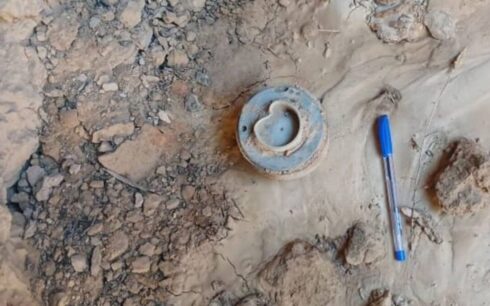
At least 96 people were killed and 328 injured in mine and unexploded ordnance incidents across Afghanistan over the past year, according to data released by the Taliban-run National Disaster Management Authority (ANDMA), underscoring the persistent threat posed by remnants of decades of conflict.
Between April 1, 2025, and March 31, 2026, ANDMA recorded 225 incidents involving mines and unexploded ordnance, resulting in a total of 474 casualties. Of those affected, 321 were children and 153 were adults, reflecting the disproportionate impact on younger populations.
The data shows that 380 of the victims were male and 94 were female.
Kunar province recorded the highest number of incidents, with 40 cases, followed by Farah with 23. Nangarhar, Herat and Kandahar also reported high numbers of incidents, pointing to a widespread threat across multiple regions.
Clearance efforts and limitations
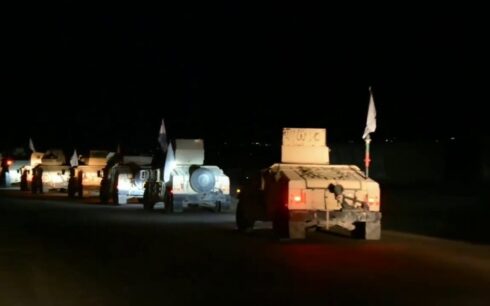
Over the same period, mine action teams cleared more than 94 square kilometers of contaminated land and destroyed 45,210 mines and unexploded ordnance items, according to the statement.
An additional 17,441 explosive remnants were identified and eliminated following reports received through a 24-hour hotline, which logged more than 3,300 calls.
The ANDMA said clearance operations prioritize areas where displaced people are returning, as well as residential zones, farmland and places where children are likely to gather.
Risk education campaigns reached more than 2.2 million people, with hundreds of thousands of informational materials distributed to raise awareness about the dangers.
Declining capacity
Despite these efforts, the ANMDA warned that demining capacity has been severely reduced due to declining international funding.
According to the statement, Afghanistan has lost about 70 percent of its mine-clearing capacity compared with levels over the past 15 years. The reduction has left many high-risk areas uncleared, contributing to continued incidents.
The Taliban administration said it had allocated 70 million Afghanis (about $1 million) this year to support mine action programs, though officials acknowledged that funding remains insufficient to meet needs.
According to the statement, the Mine Action Coordination Directorate has been engaging with international donors and organizations, including the World Bank and United Nations agencies, to incorporate demining into broader humanitarian and development projects.
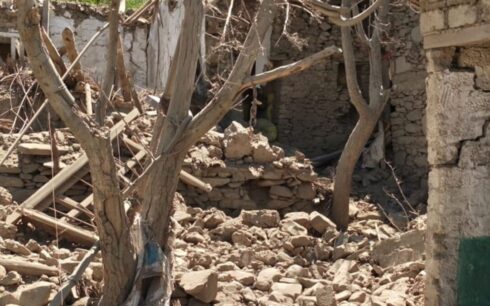
Afghanistan remains one of the most heavily mine-affected countries in the world, with decades of war leaving large areas contaminated by explosives.
For many communities, particularly in rural areas, mines and unexploded ordnance continue to pose a daily danger — limiting access to land, disrupting livelihoods and placing children at particular risk.
While clearance efforts have made progress, the latest data highlights the ongoing scale of the challenge and the consequences of reduced resources in addressing it.