Severe flooding has forced the closure of two major highways in Afghanistan, disrupting travel and trade across key regions as the death toll from recent floods climbed past 100, according to local sources and Taliban officials.
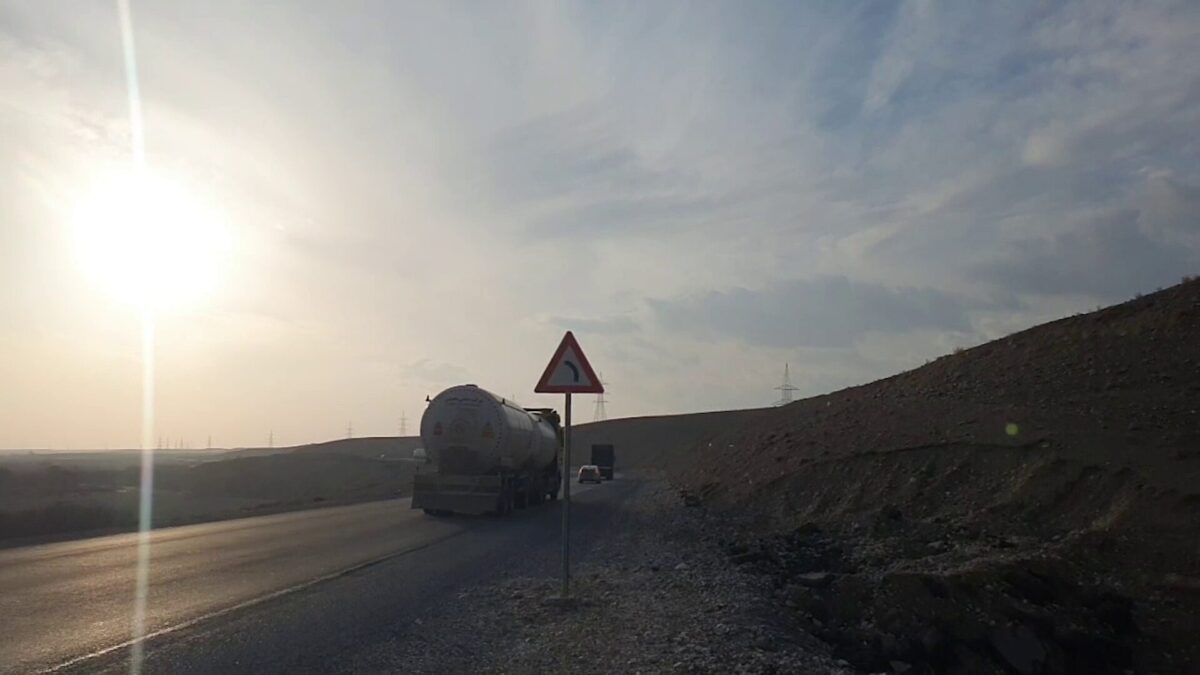
The Kabul–Kandahar highway was blocked in areas between Ghazni and Zabul provinces, while the Kandahar–Herat route was closed in the Shindand district of Herat province, the sources said. Both roads have been impassable since around 8 p.m. on Monday and remained closed as of Tuesday morning.
The disruptions come amid nearly two weeks of relentless rainfall and flooding that began on March 26 and has since affected more than 20 provinces across the country.
According to the Taliban-run National Disaster Management Authority, more than 100 people have been killed and more than 150 injured in the floods and related disasters. Nearly 6,000 families have been affected, and more than 3,600 homes have been destroyed.
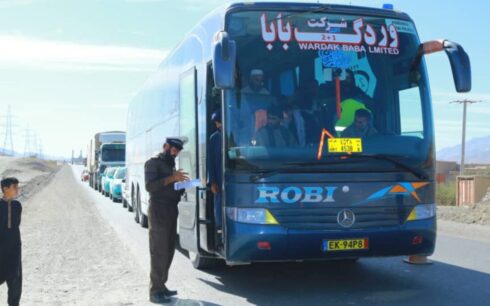
The blocked highways are among Afghanistan’s most important transport corridors, linking the capital with the south and west and serving as vital routes for commerce, humanitarian aid and passenger travel.
Their closure is likely to further strain supply chains and delay the delivery of assistance to areas already struggling with displacement and loss.
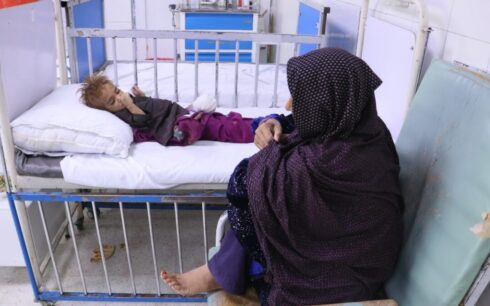
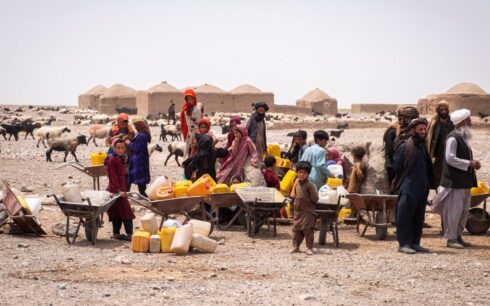
Residents in flood-affected areas have reported losing homes, crops and livestock, with many calling for urgent humanitarian support.
Afghanistan is highly vulnerable to seasonal flooding, particularly in spring, when heavy rains and snowmelt increase pressure on fragile infrastructure.
This year’s floods have been especially severe, with damage reported across much of the country. Thousands of families have been displaced, and the destruction of farmland threatens livelihoods in rural areas heavily dependent on agriculture.
Aid agencies have warned that the situation could worsen if rainfall continues and access to affected regions remains limited.