Farmers in western Afghanistan say they are struggling to sustain their crops as the spring growing season begins, citing a lack of financial support and limited access to fertilizers needed to maintain yields.
In Herat province, vineyard owners say the start of the agricultural calendar, marked by the end of March, is a crucial period for pruning vines and applying chemical fertilizers. But many say worsening economic conditions have made those inputs increasingly unaffordable.
“This is the right time to use fertilizer for grapevines,” said Ghulam Sakhi, a farmer in Herat. “But now there is no support from aid organizations, and we cannot afford it ourselves.”
In previous years, farmers say they benefited from training, technical advice and financial assistance provided by organizations working in agriculture and livestock sectors. Those programs, they say, have sharply declined.
The absence of such support has left many growers without the resources needed to maintain soil quality and improve productivity, particularly in areas where farmlands has become less fertile over time.
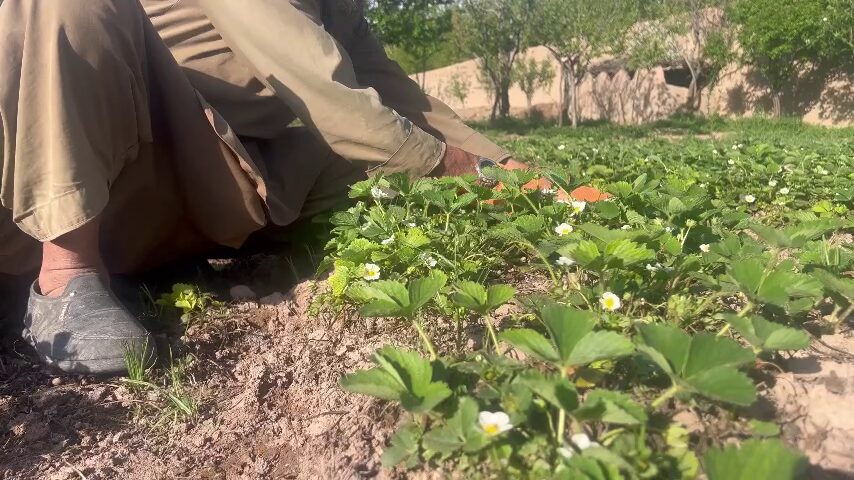
Abdul Qayum, a farmer in Guzara District who cultivates seasonal vegetables, said he had received no assistance this year from humanitarian organizations.
“One of the reasons our crops do not grow well is the weak soil,” he said. “If we use fertilizer, weeds decrease and crops grow better.”
Other farmers echoed similar concerns, pointing to fertilizer shortages as a major obstacle.
“Our biggest problem is chemical fertilizer,” said Abdul Mukhtar, another farmer. “If it is provided, our crops will grow much better.”
Districts such as Guzara and Injil in Herat are among the province’s most fertile areas, known for producing a wide range of fruits and vegetables, including onions, potatoes and cauliflower.
Agriculture remains a primary source of income for many families in the region, making seasonal disruptions particularly consequential.
Across Afghanistan, the agricultural sector has faced mounting challenges in recent years, including reduced international support, economic instability and the effects of climate variability.
Experts say the decline in assistance programs has left small-scale farmers especially vulnerable, as many lack the financial reserves to invest in essential inputs such as fertilizers, seeds and irrigation.
For many farmers, the immediate concern is survival through the current season, and whether they can secure the resources needed to sustain their land.