Human rights activists have called on the international community, particularly the United Nations, to intervene as criticism grows over the Taliban’s newly issued penal code, which experts say entrenches repression and deepens fear across society.
Several residents said the expanding enforcement of the code has created an atmosphere of intimidation, making daily life increasingly difficult and discouraging people from speaking out.
Human rights activists say the Taliban’s criminal code divides society into rigid social categories and applies punishments based not on criminal conduct but on social status, embedding discrimination into the legal system. Critics also point to provisions that introduce concepts such as servitude, which they say have no basis in law or religion.
The criminal code, endorsed by Taliban leader Hibatullah Akhundzada, consists of a preamble, three sections, 10 chapters and 119 articles, according to Taliban documents.
“This law has frightened everyone to the point that we cannot even raise our voices because we fear punishment. Where in the law does it say such punishments should be imposed, especially when most of the articles in this law do not even define a crime? And if they do, they are based on social classification. Why is the world silent? Why have we been forgotten?,” a Kabul resident said.
Bahauddin Baha, a former Supreme Court judge, has said the code has drawn criticism even from parts of the Islamic world, arguing that it contradicts core principles of Islamic jurisprudence by assigning human authorities powers traditionally reserved for God.
Rights groups say the code further restricts fundamental freedoms and institutionalises inequality, with women and socially vulnerable groups among those most affected.
“Unfortunately, the silence of the international community towards the Taliban has allowed them to become more cruel,” said Taranum Saidi, an activist.
“We experience our gradual death every day. We need to take more actions,” said Mina Rafiq, an activist.
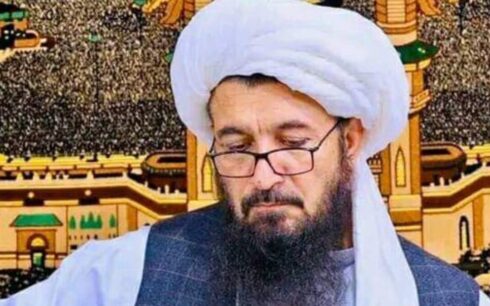
Taliban have defended their penal code, saying it was based on the Sharia law. The Taliban higher education minister has said that those who criticize the penal code are “infidels.”
The backlash comes amid heightened international scrutiny of the Taliban’s legal and social policies since their return to power in 2021, including sweeping restrictions on women’s rights, freedom of expression and access to justice.