Taliban have revoked the licences of about 1,600 civil society, cultural and religious organizations, including a charity linked to former president Hamid Karzai, according to a list published by the Taliban justice ministry.
The cancellations cover a wide range of organizations, including women’s groups, Shi’ite religious councils, cultural and academic associations and charitable foundations. No reasons were provided for the mass revocations.
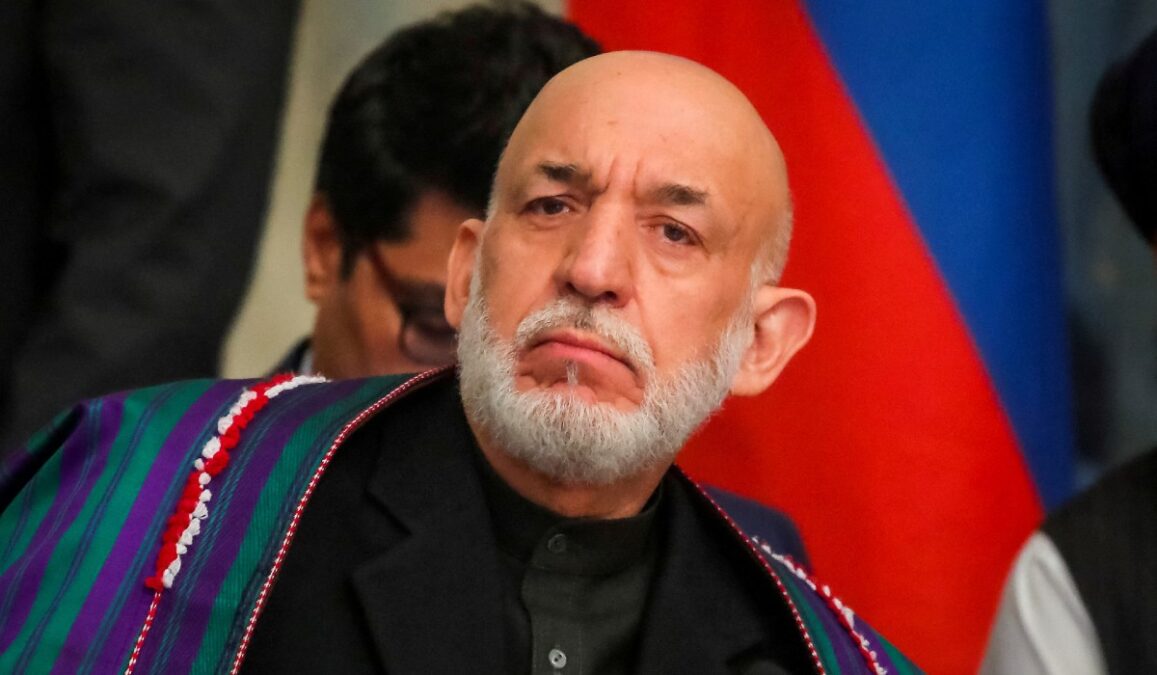
Among those affected are the Hamid Karzai Foundation and a foundation named after former vice president Mohammad Qasim Fahim, as well as dozens of charities, social unions and religious organizations, including groups linked to Afghanistan’s Shi’ite minority.
The Taliban justice ministry list shows that more than 500 cultural and academic associations, over 40 charitable foundations, dozens of women-related organizations and more than 18 Shi’ite religious councils and associations had their licences withdrawn.
Some of the foundations whose activities were cancelled had provided educational opportunities for women and girls, according to civil society activists, at a time when the Taliban have banned females from secondary and higher education.
The Taliban justice ministry did not respond to requests for comment on the reasons for the closures or how the decision was implemented.
Civil society activists described the move as part of a broader effort to suppress independent social and cultural activity.
“Any organization that helps bring people together is treated as a threat,” said Najib Paikan, a civil society activist. “The Taliban want to rule alone and do not tolerate independent institutions.”
The move follows a decision last week by the Taliban to revoke the licences of at least 10 organizations supporting media outlets and journalists, while renewing permits for only three media-related groups.
Since returning to power in 2021, the Taliban have steadily narrowed civic space, dissolving political parties, restricting media activity and curbing the work of non-governmental organizations, particularly those linked to women, religious minorities or political movements.