Taliban sharply intensified repression of women and girls and imposed new curbs on media freedom in 2025, while deep cuts in foreign aid and mass forced returns of refugees pushed the country’s humanitarian crisis to new levels, Human Rights Watch said on Wednesday.
In its World Report 2026, the rights group said Taliban policies amounted to systematic abuses that have stripped women and girls of basic freedoms, silenced critics and left millions of Afghans struggling to survive amid food shortages and a collapsing health system.
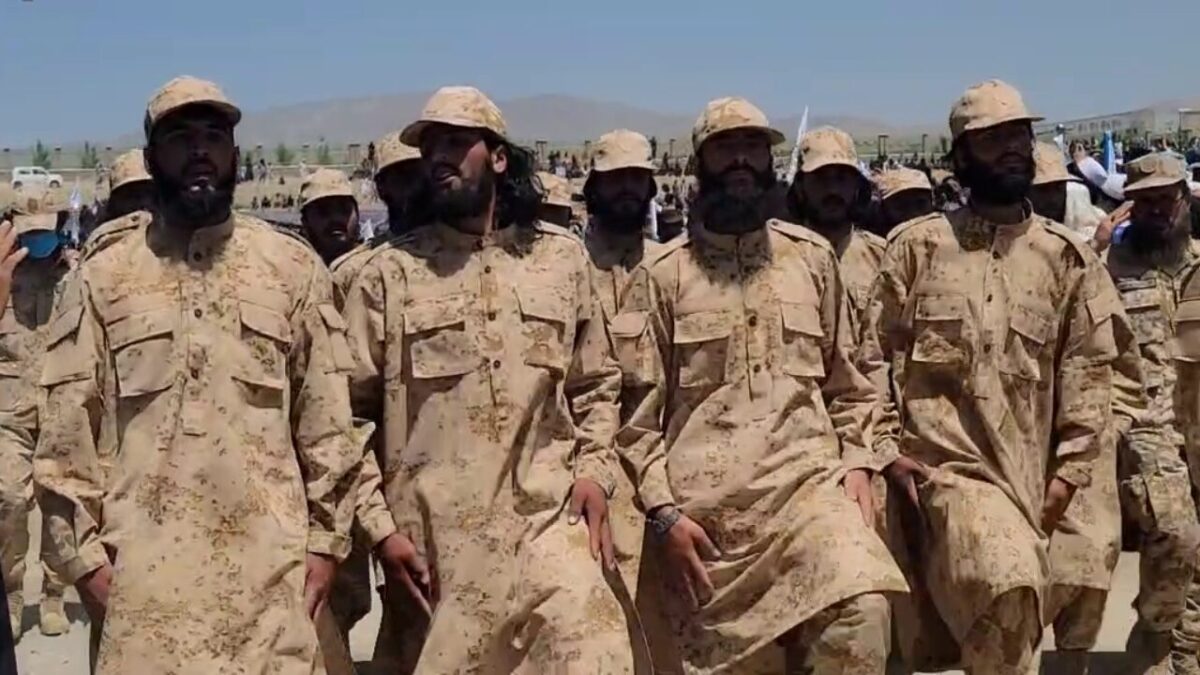
The Taliban maintained bans on secondary and higher education for girls and women and introduced new restrictions on women’s freedom of movement, work and expression, enforced by the Taliban Ministry for the Propagation of Virtue and Prevention of Vice. Women who defied the rules faced abuse, arbitrary detention and public punishment, the report said.
“The Taliban’s unrelenting repression should push governments to support efforts to hold all those responsible for serious crimes in Afghanistan to account,” said Fereshta Abbasi, Human Rights Watch’s Afghanistan researcher, urging governments to press the authorities to end abuses while also addressing urgent humanitarian needs.
United Nations experts have described the Taliban’s treatment of women as “gender apartheid”. In July, the International Criminal Court issued arrest warrants for senior Taliban leaders over crimes against humanity linked to gender persecution.
Media freedom also deteriorated further, with authorities banning live political broadcasts, limiting interviews to approved individuals and prohibiting reporting on human rights abuses and security incidents. Journalists and critics were arbitrarily detained and, in some cases, tortured, Human Rights Watch said, while foreign aid cuts forced many media outlets to close.
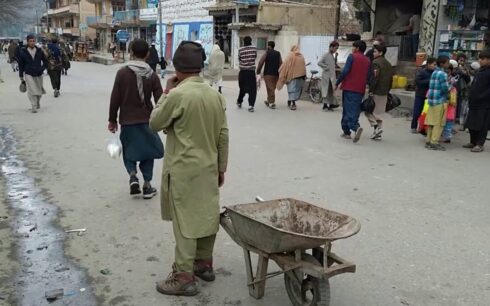
The report said Afghanistan’s humanitarian crisis worsened sharply as the United States and other donors slashed aid and neighbouring countries forced millions of Afghan refugees to return. By the end of 2025, more than 22 million people were facing food insecurity, including over three million acutely malnourished children, with women and girls disproportionately affected.
Healthcare services were badly hit, with more than 400 health facilities closing due to lack of funding, while restrictions on women also undermined aid delivery. The UN’s humanitarian response plan for Afghanistan was less than 20% funded as of September, the report said.
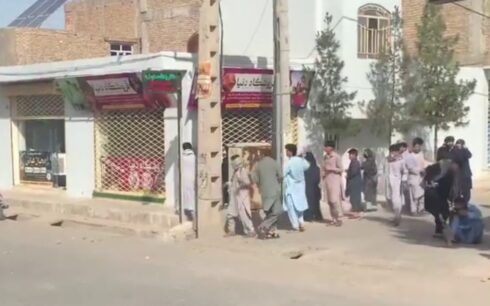
Human Rights Watch said corporal punishment and other abuses continued, including public executions and lashings. The UN documented hundreds of cases of corporal punishment in 2025, mostly for alleged “moral” crimes, as well as arbitrary arrests, torture and killings of former Afghan security personnel.
Ethnic and religious minorities were also targeted. The report cited forced evictions of Hazara families, the banning of Shia religious materials in some areas and coercion of members of the Ismaili community to convert to Sunni Islam.
Afghans remained one of the world’s largest refugee populations, numbering about 5.8 million. Iran and Pakistan expelled more than two million Afghans in 2025, including activists, journalists and former security officials who faced a high risk of reprisals upon return, the group said.
Human Rights Watch called on governments not to forcibly return Afghan nationals who could face persecution, to restore humanitarian assistance and to support a new UN-backed accountability mechanism established by the UN Human Rights Council in October to investigate past and ongoing abuses in Afghanistan.