The Malala Fund said the Taliban’s newly issued penal code marks a further escalation in the repression of women and girls in Afghanistan, warning that it formally embeds what it described as “gender apartheid” into law.
In a statement on Monday, the advocacy group said the code, when combined with the Taliban’s Law on the Promotion of Virtue and the Prevention of Vice, creates a legal system designed to control, punish and exclude women and girls from public life.
“The Taliban’s new criminal code entrenches a system of domination that denies women and girls their most basic rights, including education, safety, freedom of movement and participation in public life,” the statement said.
The group said the code authorises physical punishment, weakens due process and expands the power of officials and private individuals to enforce compliance. It added that women’s movement, expression and autonomy are further criminalised, while accountability for violence against women is undermined, effectively legitimising abuse.
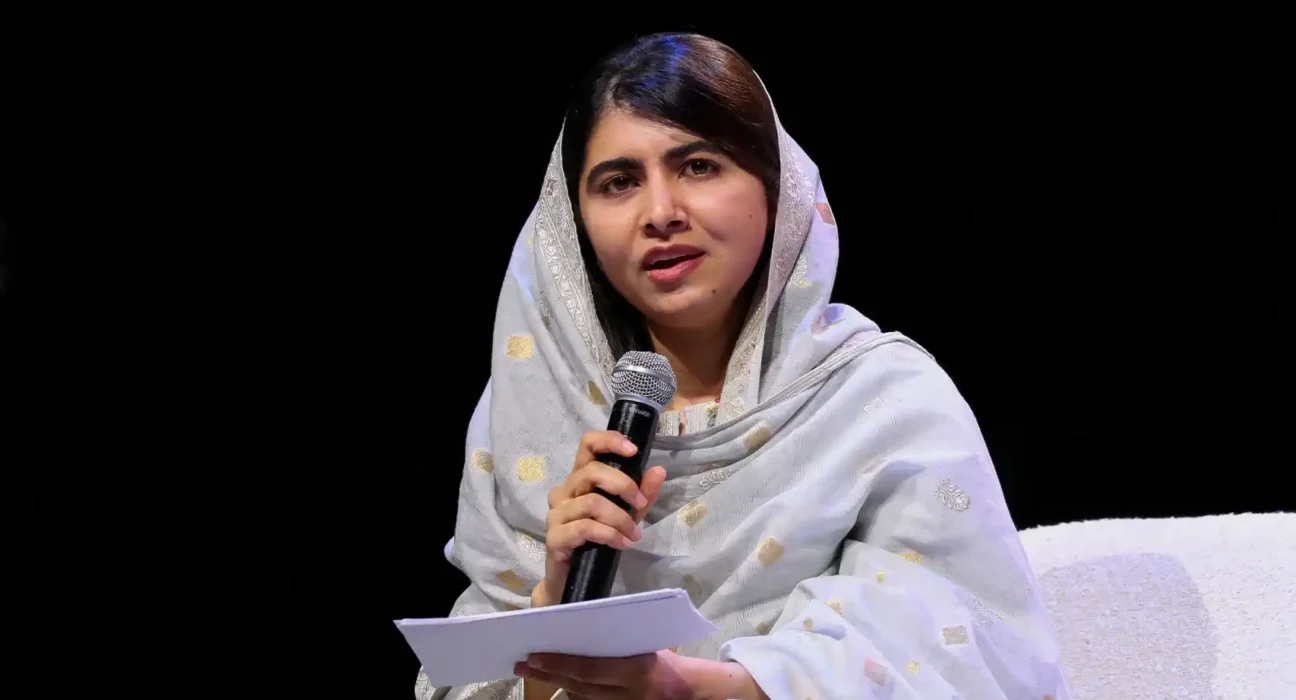
“A country cannot progress when policies and institutions lock women and girls out of public life and rip away their basic freedoms,” said Malala Yousafzai, co-founder of the Malala Fund. “We must come together to reject gender apartheid and hold the Taliban accountable for their crimes.”
Sahar Halaimzai, senior director of policy and advocacy at the Malala Fund, said the code showed the Taliban’s governance was not transitional but a “deliberate system built on control, exclusion, subordination and legalised violence”.
Criticism has also emerged from Afghan activists and religious scholars. Zahra Joya, founder of Rukhshana Media, said the code made clear that repression had moved beyond practice to formal legal recognition. “They have now gone a step further by legalising oppression,” she said.
Under provisions cited by critics, the code grants sweeping powers to Taliban leader Hibatullah Akhundzada, including the authority to declare permissible acts mandatory or forbidden. Articles highlighted by religious scholars say that if the leader orders a permissible act it becomes obligatory, and if he bans it, it becomes prohibited, with dissenters facing discretionary punishment and possible imprisonment.
Islamic scholars have rejected such provisions, saying the authority to declare acts lawful or unlawful rests solely with God under Islamic teachings and cannot be delegated to any individual.
The Malala Fund said the measures should be treated as evidence of serious human rights violations, warning that engagement with the Taliban that downplays this legal framework risks legitimising repression and emboldening abuses beyond Afghanistan.
The Taliban have not publicly responded to the statement. Previously, Taliban spokesman has defended their penal code, saying it is based on the Islamic law.