The Taliban-run Ministry of Public Health on Tuesday launched “national guidelines and an implementation plan” aimed at strengthening the prevention and treatment of acute malnutrition, as UN agencies warn that a severe nutrition crisis continues to afflict millions of children.
Taliban deputy health minister Abdul Wali Haqqani said the guidelines were developed in line with international standards, recommendations from health organisations and the country’s needs, with the aim of improving early diagnosis, prevention, standardised treatment and long-term follow-up.
“The ministry is committed to ensuring that these guidelines are not limited to the center (Kabul) but are extended to remote areas across the country,” Haqqani told a gathering in Kabul.
Hikmatullah Masoumi, Taliban head of public nutrition at the ministry, said the main objective was to establish a national framework that meets international standards and can be effectively implemented to address public health needs.
The guidelines focus on key areas of malnutrition management and include recommendations on healthy nutrition for children, he said.
Tajudeen Oyewale, UNICEF Representative for Afghanistan, said the guidance was needs-based and prioritised critical areas in preventing and managing acute malnutrition.
Taliban officials did not provide further details about the guideline.
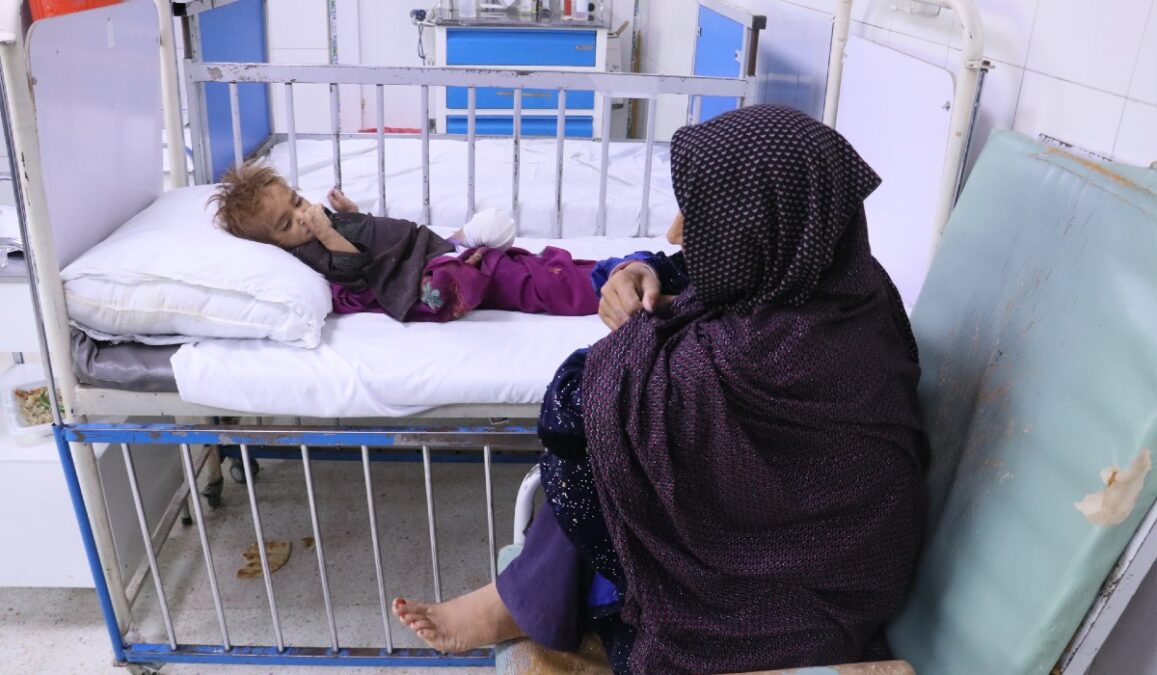
United Nations data shows Afghanistan is facing one of the world’s most severe food and nutrition crises, with more than 3.5 million children under five suffering from wasting, a form of acute malnutrition, and around 1.4 million of them at heightened risk of mortality. Acute malnutrition levels in many provinces exceed emergency thresholds, and under-nutrition contributes to a large share of child deaths.
Experts say nearly half of young children live in severe food poverty, with diets lacking essential nutrients, and poor nutrition is compounded by widespread food insecurity and limited access to health services.
The crisis has been exacerbated by economic instability, climate shocks and shrinking international aid, leaving millions of families unable to afford sufficient or nutritious food. Recent assessments by the UN World Food Program indicate that tens of millions of people face crisis-level acute food insecurity, with children particularly vulnerable to malnutrition.