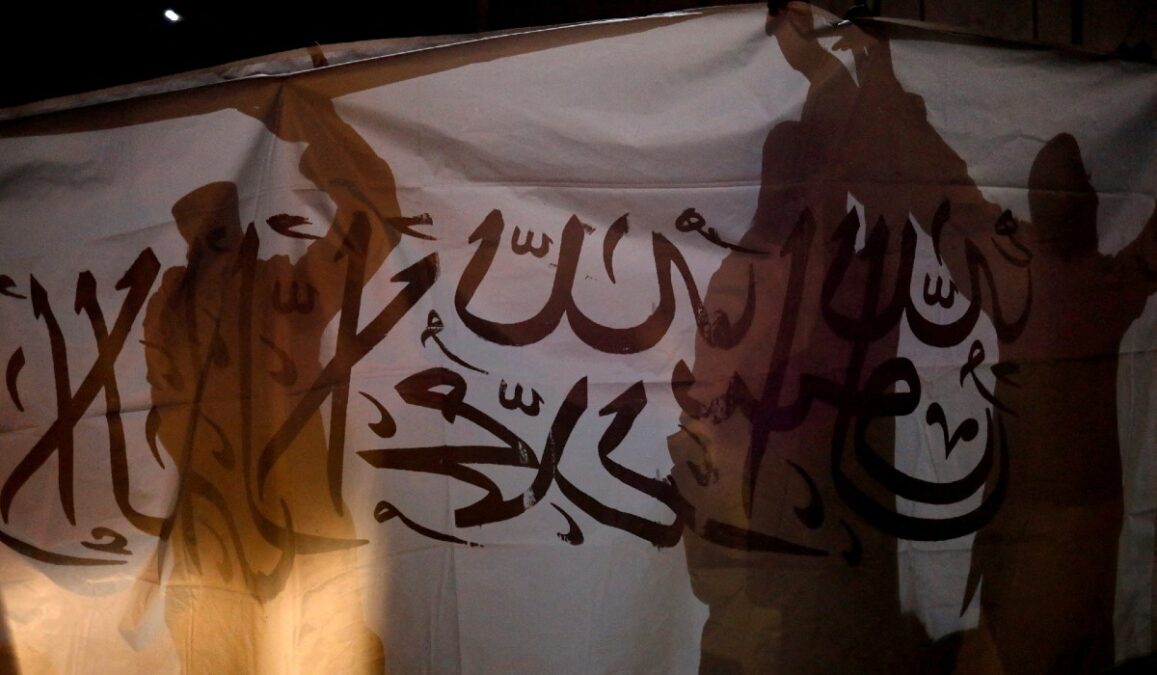
A Taliban penal code, a copy of which is reviewed by Amu TV, requires absolute obedience to orders issued by the Taliban’s supreme leader and criminalises any disobedience.
The document, known as the “Penal Principles of Taliban Courts”, first reported by Rawadari human rights organization, states that compliance with the orders and decrees of Taliban leader Hibatullah Akhundzada is mandatory for all, and that failure to comply constitutes a criminal offence punishable by flogging and imprisonment.
Articles 19 and 20 of the code stipulate that individuals who disobey or defy the leader’s directives face corporal punishment and jail terms. The document also says senior Taliban officials who fail to follow Akhundzada’s orders will be dismissed from their posts.
The penal code, which spans 10 chapters and 119 articles, sets out a wide range of offences beyond political obedience, including provisions governing social relations, family life, religious beliefs and personal conduct.
Under the code, acts such as interacting with an unrelated woman, criticising Taliban officials, speaking to or looking at a neighbour’s wife, and failing to report the activities of Taliban opponents are criminalised and may be punished with imprisonment, flogging or fines.
Human rights activists and residents interviewed by Amu said the document reflects an effort to institutionalise repression and consolidate power through fear.
“This document shows an attempt to engineer society through coercion and violence,” said Azita Nazimi, a human rights activist. “It entrenches gender apartheid and imposes the Taliban’s will on the population through punishment.”
The code also addresses violence against women, but activists say it fails to prohibit most forms of abuse. Article 32 recognises domestic violence as a crime only in limited circumstances, requiring proof of visible injuries before a court and prescribing a maximum sentence of 15 days’ imprisonment for husbands found guilty.
The document further introduces a social hierarchy, dividing society into four classes and using the term “slave” in several provisions, a move rights groups say contradicts fundamental principles of equality and human dignity.
Rights advocates warn that the penal code formalises arbitrary punishment, discrimination and restrictions on basic freedoms, and could be used to justify widespread abuses.
Taliban have not publicly commented on the document.