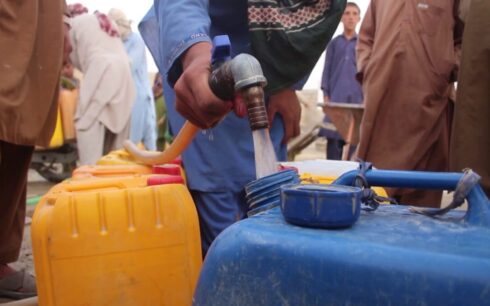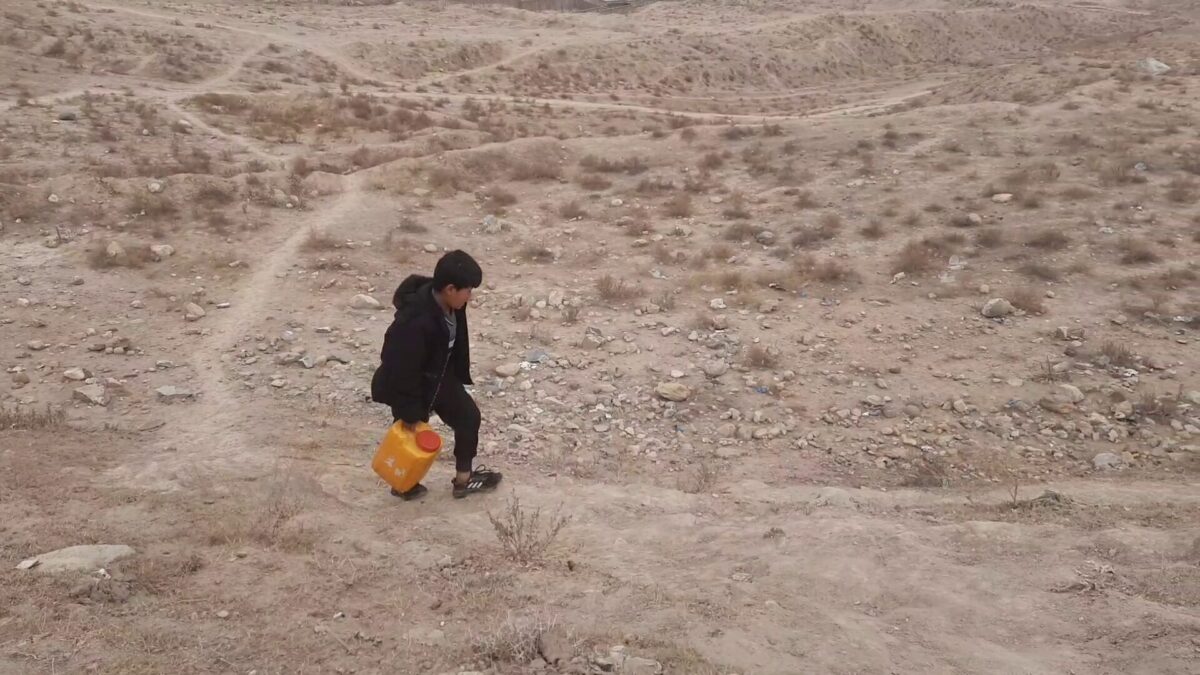
Residents of Kabul say shortages of safe drinking water are worsening as groundwater levels fall and household wells dry up, forcing many families to buy water at high prices or travel long distances to secure supplies.
Several residents said large parts of Kabul no longer have reliable access to potable water, with many neighbourhood wells no longer functioning and only a small number of households connected to the city’s piped water network.
“Many people in western Kabul do not have access to clean water and are forced to buy it from tankers,” said Hussein Taban, a Kabul resident. “Wells have dried up, taps that once worked no longer do, and water prices are very high. This has increased disease, especially among children.”
Others said water scarcity has become one of the most pressing daily challenges, compounding widespread poverty and unemployment.
“Water shortages in Kabul are a serious problem because water is being used unsustainably,” said Nematullah Hasani, another resident. “People cannot meet basic daily needs. This leads to worsening economic hardship, more illness, dry and polluted air, and rising poverty.”
Residents said many wells dug to depths of 20 to 30 metres — and in some areas as deep as 50 to 80 metres — have dried up, leaving families dependent on private water vendors.
Environmental experts say poor water management, lack of planning and unchecked consumption have contributed to the crisis, warning that without reforms the situation will deteriorate further.
The United Nations children’s agency UNICEF has previously warned that climate change and prolonged drought have sharply reduced Kabul’s groundwater levels, cautioning that the city could face severe water shortages by 2030 if urgent action is not taken.