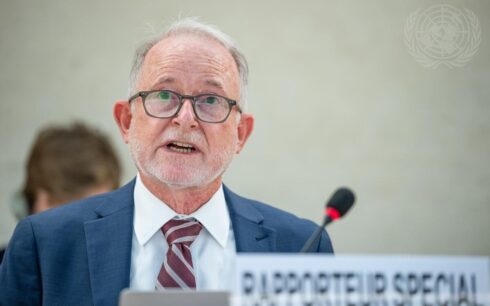
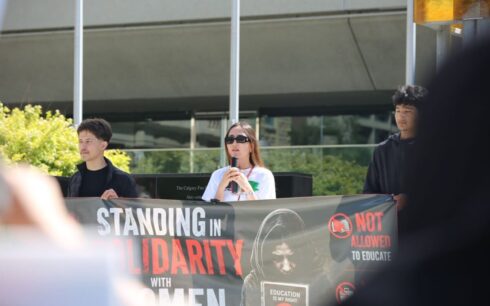
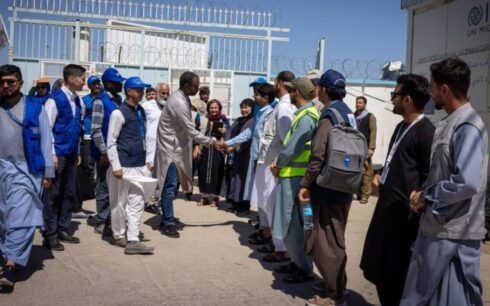
United Nations human rights experts have urged governments to recognize what they describe as “gender apartheid” in Afghanistan and to ensure women play a central role in upcoming international discussions on accountability for crimes against humanity.
In a statement, the experts said states should guarantee the meaningful participation of Afghan women leaders and gender justice advocates in talks linked to a proposed international treaty on the prevention and punishment of crimes against humanity.
They also called on governments to actively resist the normalisation of Taliban rule.
“States must stand in solidarity with Afghan women and girls by ensuring their meaningful participation and by taking seriously the lived realities in Afghanistan,” the experts said.
Since the Taliban returned to power in 2021, women and girls have been subject to sweeping restrictions, including bans on secondary and higher education, limits on employment and curbs on public life. The United Nations and rights groups have described these measures as systematic discrimination.
The experts said the Taliban had carried out an “institutionalised and systematic campaign” to erase women and girls from public life, effectively criminalising their presence in society.
The statement said upcoming UN-facilitated discussions on a new crimes-against-humanity treaty present an opportunity for states to formally recognise gender apartheid as an international crime and to advance accountability.
Human rights organisations have increasingly argued that Taliban policies meet the legal threshold for crimes against humanity.
The International Criminal Court has sought arrest warrants for Taliban leader Hibatullah Akhundzada and Abdul Hakim Haqqani, the Taliban’s chief justice, over alleged crimes against humanity related to the persecution of women and girls.
Taliban have rejected such accusations, saying their policies are based on their interpretation of Islamic law.